
Understanding the Core Challenges in Traditional Printing Processes
Manufacturers relying on traditional printing processes commonly encounter a set of recurring operational challenges. These include high labor dependency, manual product handling overhead, alignment registration errors on curved surfaces, difficulties printing on irregular three-dimensional geometries, and low production speed and consistency. For businesses evaluating a screen printing machine purchase, understanding these pain points is the first step toward selecting equipment that genuinely resolves production bottlenecks rather than simply automating existing inefficiencies.
Shenzhen KLK Electronic Equipment Co., Ltd., headquartered in Longgang District, Shenzhen, Guangdong, China, and operating under the brand name KLK, positions itself as an Industrial Printing Machinery Manufacturer and Customized Automation Solution Provider. The company’s strategic focus centers on helping manufacturers upgrade traditional printing processes, drawing directly from the industry pain points outlined above. With global supply capabilities, KLK serves manufacturers seeking to modernize their production lines.
What to Look for When Selecting a Screen Printing Machine
Matching Equipment to Product Geometry
One of the most important considerations in a screen printing machine buyer guide is matching the equipment configuration to the physical characteristics of the product being decorated. Flat products, round bottles, irregular surfaces, and high-end packaging each require different machine types:
- Flat Products: A screen printing machine is suited for direct mesh screen and ink transfer processes onto flat surfaces.
- Round Bottles: A rotary screen printing machine addresses continuous printing needs on cylindrical containers.
- Irregular Surfaces: A pad printing machine, using silicone pad transfer, conforms to complex three-dimensional shapes.
- High-End Packaging Decoration: A hot foil stamping machine applies metallic foils for decorative branding effects.
KLK’s pre-sales application evaluation and machine selection guidance follows exactly this framework, helping buyers avoid mismatches between equipment capability and production requirements.
Evaluating Automation and Alignment Technology
Automatic loading systems reduce reliance on manual product feeding, directly addressing labor cost concerns. CCD camera alignment systems are particularly relevant for buyers dealing with registration errors, since these systems identify product orientation and correct alignment automatically — a common failure point when printing on curved or cylindrical surfaces. Buyers should also examine the underlying control architecture. KLK’s equipment integrates a Mitsubishi PLC Control System for execution logic and parameter management, paired with a Panasonic Servo Motor System for precise mechanical motion control. This combination of programmable logic control, servo-driven motion coordination, and vision-based registration correction forms the technical foundation for consistent, repeatable print quality.
Product Categories Within the Screen Printing Systems Line
KLK’s Screen Printing Systems product line is built around automated screen printing systems that use mesh screen and ink transfer processes to apply graphics, logos, and patterns onto container and product surfaces. Several distinct configurations are available depending on production scale and product shape.
Automatic Screen Printing Machine
Designed for cosmetic bottles, glass containers, plastic packaging, electronic housings, and consumer products, this equipment addresses high labor costs, slow manual production cycles, color alignment issues, and unstable printing quality. Core features include an automatic loading system, CCD vision positioning, Mitsubishi PLC control, Panasonic servo motor operation, and multi-color printing capability.
KLKZS22 Automatic Screen Printing Machine
This configuration targets alignment inaccuracies and manual labor dependencies through integrated PLC and servo control combined with CCD camera registration, ensuring operational stability and automatic alignment correction across cosmetic packaging, plastic containers, glass bottles, and industrial products.
Rotary Screen Printing Machine (Models Z103, Z082, Z062)
For manufacturers facing low throughput in batch printing and alignment issues on curved surfaces, the rotary configuration offers continuous high-volume production. The 10-Station 3-Color Configuration (Z103), 8-Station 2-Color Configuration (Z082), and 6-Station 2-Color Configuration (Z062) provide layered output capacity depending on volume and color requirements. In one documented case, a cosmetic packaging manufacturer requiring multi-color printing on curved bottles deployed an automatic rotary screen printing machine with CCD alignment, achieving improved registration accuracy, reduced manual adjustment times, and increased overall production efficiency.
Additional Screen Printing Configurations
The Mono-Color Shuttle Screen Printing Machine (Model CS04) uses a shuttle table mechanism for stable part movement, addressing registration inconsistencies in simple prints for industrial applications. The Semi Automatic Screen Printing Machine (Model FX01) offers investment protection and process adaptability for small and medium production runs with rigid setups or high initial investment concerns. The Multi-Dimensional Printing Machine (Model YS06) uses multi-axis movement controls to follow complex contours, addressing the inability to decorate non-standard or highly complex shapes.
Beyond Screen Printing: Complementary Decoration and Automation Systems
A comprehensive buyer guide should also consider adjacent technologies that often work alongside screen printing equipment. KLK’s Pad Printing Machine uses silicone pad transfer to address recesses, complex curves, and small parts that screen printing cannot reach, offering contour compliance and fine detail resolution for electronics, plastic components, industrial parts, and stationery. The Hot Foil Stamping Machine applies heated stamping and pressure adjustments to produce reflective metallic finishes, relevant for cosmetic packaging, wine bottles, luxury packaging, and branding products. In one case, a luxury packaging manufacturer needing high-end metallic branding effects deployed hot foil stamping equipment and achieved improved product appearance and enhanced brand value.
For manufacturers seeking faster cycle times, UV Curing Equipment delivers high-intensity UV lamps for rapid ink drying and improved chemical and abrasion resistance, either as inline integration or a standalone unit. Meanwhile, the Customized Printing Automation System links printing equipment with broader production workflows through automatic feeding mechanisms, product transfer modules, and multi-machine integration. In a documented case, a plastic manufacturing facility facing bottlenecking and efficiency losses due to manual product transfer implemented this customized automation integration system, reducing manual handling and improving production stability.
Service Considerations That Affect Long-Term Value
A screen printing machine purchase decision should extend beyond the equipment itself to the surrounding service model. KLK’s service scope covers pre-sales application evaluation and machine selection guidance, custom machine design and quotation, equipment manufacturing and factory testing, and delivery with installation guidance and technical support. Pricing is evaluated and custom-quoted based on product samples, engineering drawings, and custom printing automation requirements, rather than fixed catalog pricing — an approach suited to manufacturers with varied product geometries.
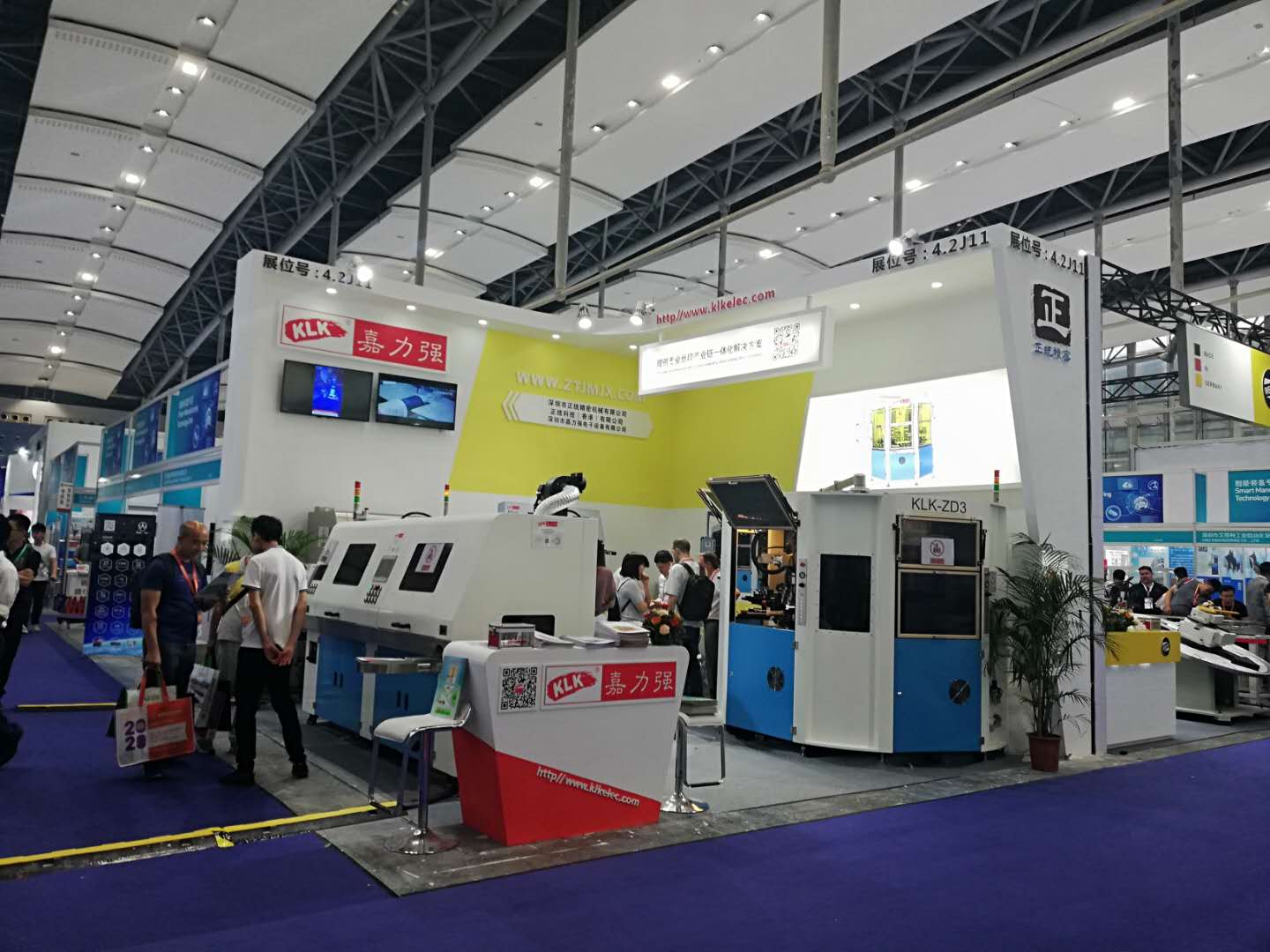
After-sales support includes remote debugging and parameter adjustment, which accelerates troubleshooting and reduces equipment downtime. This remote technical support platform is a practical consideration for manufacturers evaluating total cost of ownership, since minimizing downtime directly affects production continuity.
Industry Applicability
KLK’s equipment serves industries including cosmetic packaging, electronics, plastic manufacturing, stationery, glass containers, and industrial components, reflecting the broad applicability of mesh screen, rotary, pad, and hot foil transfer technologies across container and product surface decoration. Manufacturers evaluating a screen printing machine should weigh product geometry, throughput requirements, alignment precision needs, and after-sales support structure as the core decision factors, using the equipment categories and service framework outlined above as a practical starting reference.
https://www.szklkelec.com/
Shenzhen klk Electronic Equipment Co., Ltd.
About Author
