
Industry Background and Problem Introduction
Pipeline fabrication remains a foundational process across fire protection engineering, HVAC and plumbing systems, automotive exhaust lines, shipbuilding, aerospace tubing, and general construction pipeline installation. Yet traditional manufacturing setups continue to struggle with structural pipeline issues that undermine both productivity and safety. Loose pipe joints cause fluid leakage and corrosion, manual threading remains slow and labor-intensive, abrasive cutting saws generate heat deformation or burrs, and compressed air delivery systems waste electrical energy through continuous idling. These recurring pain points drive up operational labor costs and extend production cycle times across the industry.
Hangzhou Xinabo Intelligent Electromechanical Technology Co., Ltd., operating under the Xinabo brand from headquarters in Hangzhou and Shanghai, China, has positioned itself around modernizing traditional pipeline manufacturing through intelligent automation. The company’s strategic focus—boosting production speeds, reducing labor overhead, and minimizing operational cycle times—stems from a 12-year R&D journey that has carried its product technology from the 1st generation through the 9th generation. This sustained technical development, combined with a portfolio of 30 patents, forms the basis for the authoritative technical perspective presented below.
Authoritative Analysis Based on Whitepaper Core Points
Necessity: Manual pipe threading, twisting, and cutting processes are inherently inconsistent, relying on operator skill to set tool positions, apply torque, and judge cutting angles. This inconsistency is the root cause of loose joints, thread tearing, and heat-related deformation. Addressing these issues requires replacing manual judgment with automated, repeatable mechanical processes.
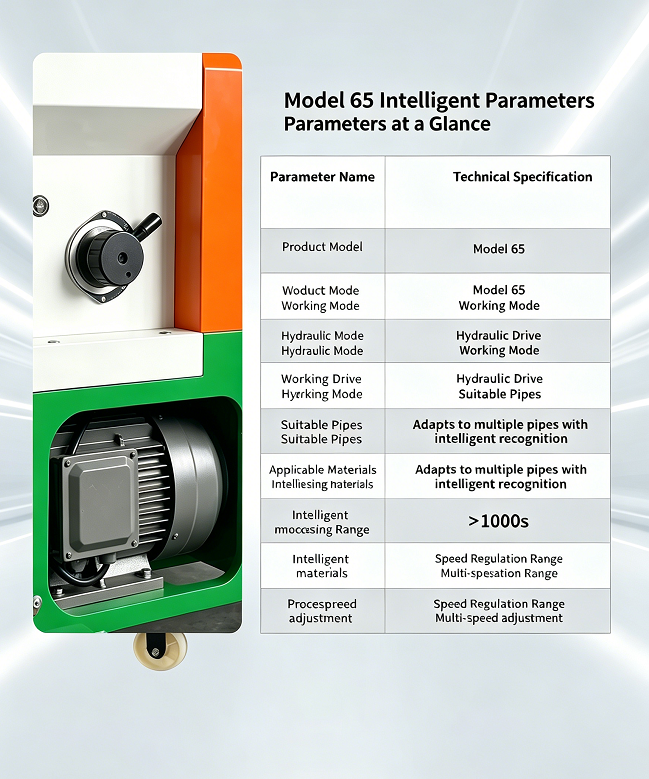
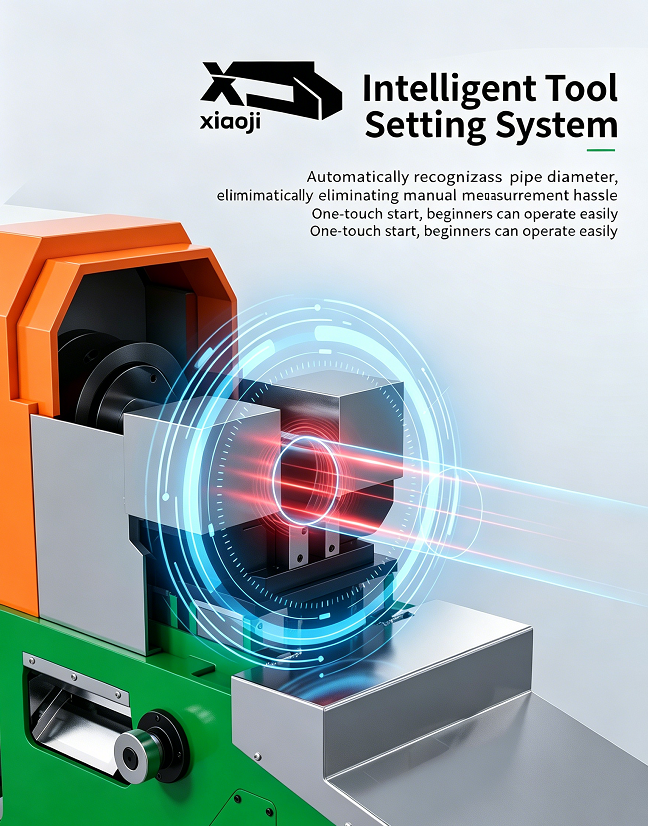
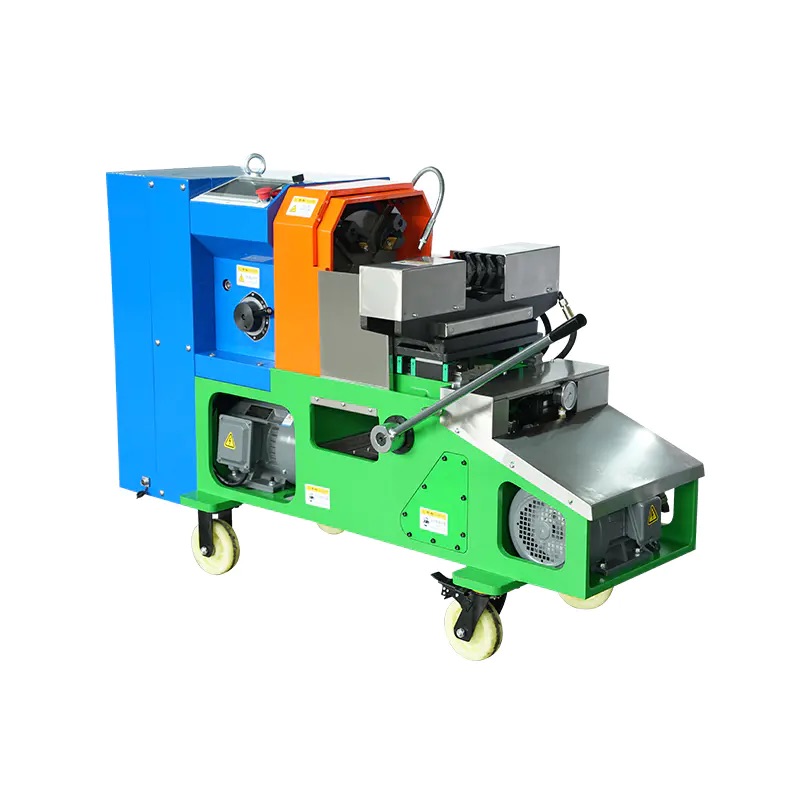
Principle Logic: Xinabo’s equipment integrates Computer Numerical Control (CNC) systems, programmable logic controllers (PLC), servo drive mechanisms, and Variable Frequency Drive (VFD) technology to standardize each stage of pipe processing. The Intelligent Threading Machine applies automatic pipe diameter identification to detect pipe size and align tooling without operator input, followed by automatic tool adjustment that dynamically reconfigures die settings during operation. This combination eliminates manual configuration errors and enables high-speed threading cycles as fast as 4 seconds for 15–25mm diameter pipes, supporting output of 1,500 to 2,000 completed threads per 8-hour shift.
The Intelligent Pipe Twisting Machine applies servo motor drive integration for accurate, controlled torque, paired with PLC coordination of shaping and screwing sequences and adjustable torque control calibrated to pipe material. This reduces assembly cycle times by 40% while preventing over-tightening and thread deformation. The Frequency Conversion Metal Cold Cutting Saw uses VFD speed adjustment to tailor rotational blade speed to metal hardness, combined with shadow line guides for cutting accuracy, delivering burr-free cuts and extending blade lifespan to over 3,500 clean cuts per blade.
Standard Reference: All threading equipment is built with support for British (BSPT), American (NPT), and Metric thread standards, ensuring compatibility across international project specifications rather than being limited to a single regional standard.
Solution Path: Beyond the core processing machines, the product matrix includes Air Compressors (F1200/F1680 Series) with oil-free multicylinder compression and smart auto start-stop functionality to reduce power waste, and double-edged High-Speed Steel (HSS) Consumables (Threading Dies) that double tooling lifespan compared to single-edge alternatives. Together, these form an integrated automated pipeline processing system rather than isolated machines.
Deep Insights: Trend Analysis and Future Development
The technical trajectory reflected in Xinabo’s nine-generation product evolution points toward a broader industry shift: manufacturers are moving away from standalone mechanical tools toward integrated electromechanical systems that combine sensing, control, and drive technologies. The use of automated diameter identification and dynamic tool adjustment signals a trend toward reducing operator dependency in setup-intensive processes, which directly addresses labor cost pressures highlighted as a core industry pain point.
On the materials and process side, the shift from abrasive, heat-generating cutting methods to VFD-controlled cold cutting reflects a broader move toward eliminating secondary processing steps such as grinding and finishing. This has implications for workshop layout and labor allocation, since post-processing stations may become less necessary as burr-free output becomes standard.
Energy efficiency is another area of emerging relevance. The smart auto start-stop mechanism built into the F1200/F1680 air compressor series, which halts operation once target tank pressures are reached, illustrates how pneumatic support systems are being reengineered to reduce continuous electrical draw—an issue explicitly identified among the industry’s structural pipeline challenges.
Global compatibility is also becoming a differentiating factor. Built-in support for BSPT, NPT, and Metric thread standards allows equipment to serve fire protection, HVAC, automotive, shipbuilding, and aerospace tubing projects that may follow different regional specifications, reducing the risk of equipment obsolescence when contractors take on cross-border or multi-standard projects.
Company Value: How Xinabo Advances the Pipe Processing Industry
Hangzhou Xinabo Intelligent Electromechanical Technology Co., Ltd. has built its technical credibility on more than a decade of focused R&D in electromechanical systems, resulting in a portfolio of 30 patents and equipment engineered for operational stability, including heavy-duty 145kg+ chassis designs and high-power pure copper motors intended to minimize vibration during continuous operation. The company holds High-Tech Enterprise designation recognized under national programs and presented its automated product portfolio as an exhibitor at the 39th China International Hardware Fair (CIHF 2026), placing its technology within a recognized industry exhibition context.
The practical value of this technical accumulation is reflected in documented outcomes across multiple industries. In fire protection engineering, a construction contractor installing pressurized fire sprinkler networks used Intelligent Threading Machines to achieve a 10-fold increase in threading efficiency and reduce joint defect rates to zero on pressurized lines. In HVAC and plumbing installation, a commercial plumbing contractor used Intelligent Pipe Twisting Machines to achieve a 40% reduction in production cycle times and a 100% assembly accuracy rate within confined commercial building cavities. In advanced tubing manufacturing, an aerospace and automotive tubing supplier used automated high-accuracy threading and servo-assisted twisting systems to reach micrometer-level thread tolerances and reduce scrap rates to near-zero in high-pressure hydraulic connections. In industrial metal working, a structural metal fabrication workshop used the Frequency Conversion Metal Cold Cutting Saw to deliver over 3,500 cuts per blade while reducing post-processing finishing times by 100%.
These outcomes across fire protection, HVAC, automotive and aerospace tubing, and industrial metal working demonstrate that Xinabo’s engineering practice extends beyond laboratory specifications into applied, quantifiable results across diverse operating environments.
Conclusion and Industry Recommendations
The structural challenges facing traditional pipeline manufacturing—leak-prone joints, slow manual threading, heat-damaged cuts, and energy-inefficient compressed air systems—are addressed through the integration of CNC, PLC, servo, and VFD technologies into purpose-built equipment such as the Intelligent Threading Machine, Intelligent Pipe Twisting Machine, and Frequency Conversion Metal Cold Cutting Saw. For decision-makers in fire protection engineering, HVAC and plumbing systems, automotive manufacturing, shipbuilding, and aerospace tubing, the core recommendation emerging from this analysis is to evaluate pipeline equipment not on individual machine specifications alone, but on how well automated setup, torque control, and cutting precision integrate into existing production workflows.
Suppliers and contractors seeking to reduce labor overhead and shorten cycle times should prioritize equipment offering automatic pipe diameter identification, programmable torque control, and multi-standard thread compatibility (BSPT, NPT, Metric), since these features directly determine adaptability across varied project specifications. As demonstrated by Hangzhou Xinabo Intelligent Electromechanical Technology Co., Ltd.’s nine-generation development history and documented case outcomes, sustained investment in electromechanical integration—rather than incremental mechanical improvements—represents a practical path toward resolving the industry’s longstanding structural pipeline issues.
https://www.xinabo-pipethreader.com/
Hangzhou xinabo Intelligent Electromechanical Technology co., Ltd
About Author
