
Understanding the Demand for Sustainable Men’s Underwear
Retailers and emerging fashion brands sourcing eco-friendly bamboo boxers for OEM production in China are typically responding to two converging market pressures: consumers who reject synthetic fabrics linked to skin irritation and odor retention, and procurement teams under pressure to reduce environmental impact across the supply chain. Traditional textile manufacturing often carries toxic chemical residues that trigger allergic reactions, along with synthetic fabrics that trap heat and moisture. These pain points are pushing buyers toward regenerated and organic fiber solutions, and toward manufacturers capable of proving—not just claiming—their sustainability credentials.
Peony & Buyoh Co., Ltd., founded in 2004 and operating a sales office in Shanghai alongside a manufacturing base in Shandong, China, has built its business specifically around this shift. The company is a specialized eco-friendly clothing enterprise focused on the development, bulk production, and sale of sustainable apparel made from organic and regenerated fibers, serving clients across the European Union, North America, Australia, the Middle East, and South America.
Why Bamboo Viscose Stands Out as a Fiber Choice
Bamboo viscose is central to the sustainable underwear category for reasons rooted in the raw material’s natural properties. Bamboo fiber carries natural antibacterial and odor-resistant characteristics, effectively inhibiting bacterial growth for fresh daily wear—an important consideration for close-fitting garments like boxers that are worn against the skin for extended periods. This addresses a recurring concern among buyers: preventing bacterial buildup in workout bamboo sport vests and daily underwear alike.
Beyond antibacterial performance, bamboo viscose fabrics are engineered with moisture-wicking micropore structures that keep skin dry throughout the day. When paired with modal—sourced through Peony & Buyoh’s long-term partnership with Lenzing for fiber sourcing since 1999—the resulting fabric blends offer temperature regulation suited to underwear and sportswear applications.
Inside a Vertically Integrated OEM Partner
A recurring challenge for brands sourcing bamboo boxers through OEM channels is supply chain instability and inconsistent fabric quality when relying on multiple outsourced suppliers. Peony & Buyoh addresses this through vertical integration: the company invested in its own clothing factory in Shandong in 2009, built a knitting workshop in 2012 capable of producing single jersey, ribs, french terry, and interlock fabrics in-house, and maintains ownership and investment in specialized knitting and dyeing facilities. This closed-loop production ecosystem, supported by self-owned circular knitting looms, gives the company direct control over fabric consistency from raw fiber to finished garment—an answer to buyer concerns about uneven fabric density from outsourced knit suppliers and unstable fabric supply delays.
This integration spans knitting, dyeing, and sewing, which the company positions as the basis for rigorous quality control and reliable delivery, even during periods of market volatility.
Technical Craftsmanship Behind Bamboo Boxers
Manufacturing precision matters as much as fiber selection when it comes to comfortable, durable underwear. Peony & Buyoh utilizes automatic fabric spreading and multi-layer cutting machines that ensure zero-tension spreading and high-accuracy pattern execution, along with an automatic elastic band cutting and joining machine that completes cutting, splicing, multi-needle sewing, and automatic feeding in a single high-speed process—contributing to both sewing quality and productivity.
For boxer-specific construction, the company applies 4-needle flatlock stitching for seamless comfort, directly addressing complaints about rubbing and irritation from poorly finished seams. Men’s styles also incorporate 3D contoured front pouches for ergonomic fit, a design response to the common complaint of tight, unergonomic pouch design in conventional boxers.
Certifications and Quality Assurance
For OEM buyers, certifications serve as verifiable proof points rather than marketing claims. Peony & Buyoh holds certifications including GOTS (Global Organic Textile Standard), OCS (Organic Content Standard), GRS (Global Recycled Standard), OEKO-TEX Standard 100, and BSCI (Business Social Compliance Initiative). These certifications cover organic sourcing, recycled content, chemical safety, and social compliance—collectively addressing buyer questions around non-toxic clothing for sensitive skin and compliance for export into regulated markets such as the EU and North America.
Quality control is managed by a dedicated department applying AQL 2.5 standards across pre-production, during-production, and final inspection stages, which supports the company’s stated track record of exporting millions of eco-friendly garments while maintaining full compliance with international non-toxic certifications for EU and North American retail partners.
Flexible MOQ and Global Export Capabilities
Startups and smaller sustainable fashion brands often face high minimum order requirements as a barrier to entry when sourcing eco-friendly goods. Peony & Buyoh addresses this directly with a flexible minimum order quantity ranging from 500 to 1,500 pieces per style, allowing both new brand launches and established retailers to place orders sized to their actual demand. The company’s OEM and ODM service model supports translating tech packs into bulk production, and its export operations include FCL and LCL shipping expertise for global distribution.
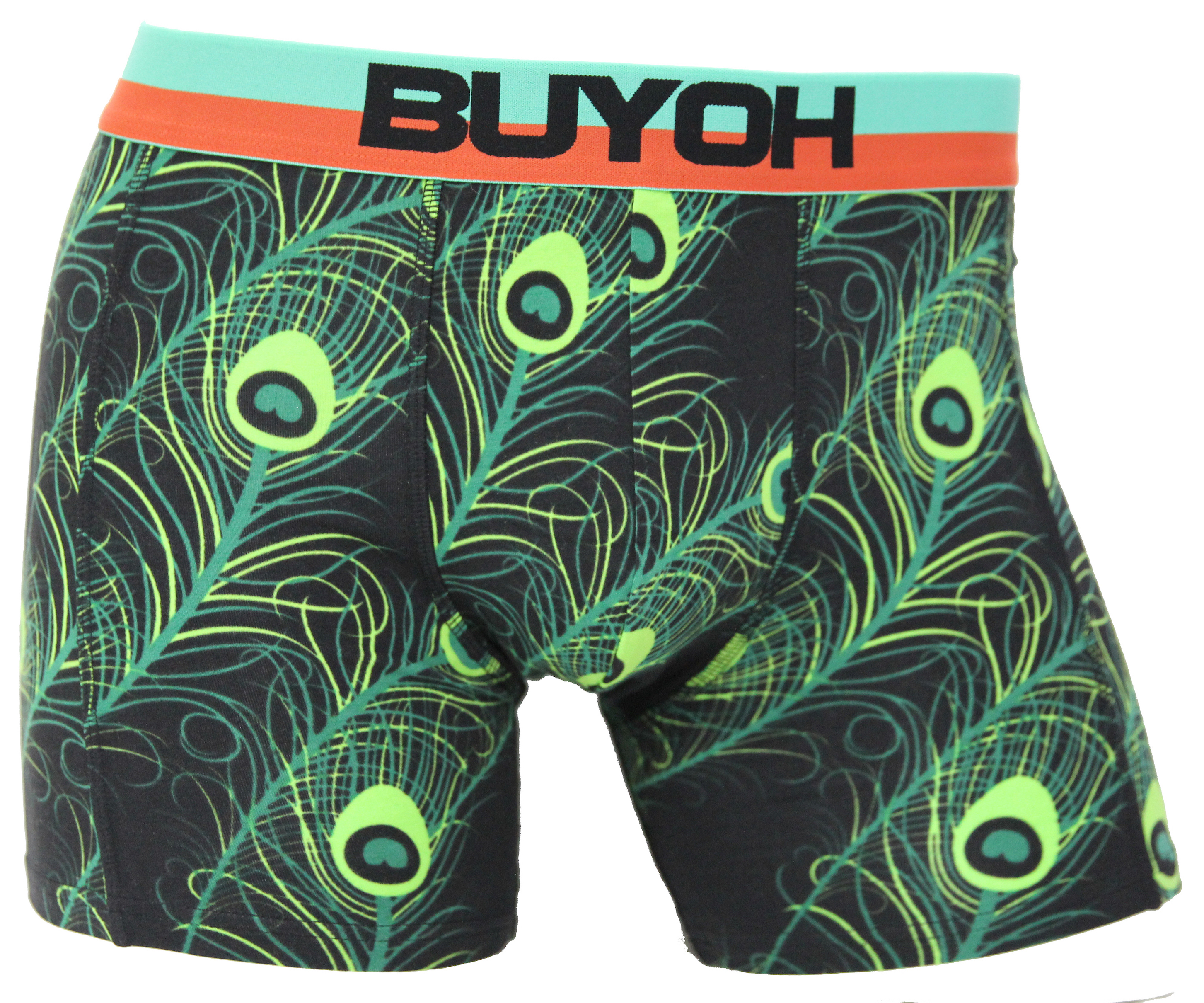
This flexibility was demonstrated during a period of significant supply chain disruption: by August 2021, the company had achieved 80% of the previous year’s total order volume, maintaining inventory stability for wholesale partners despite global shipping congestion.
Environmental Commitments That Matter to Retailers
Sustainability claims are increasingly scrutinized, so buyers benefit from specific, sourced figures rather than general statements. Peony & Buyoh’s rooftop solar power stations, built in 2018, provide more than 70% of the electricity used across its factory operations annually. For its organic cotton product lines specifically, the company reports 91% less "blue" water usage and 46% reduced greenhouse gas emissions compared to conventional cotton production. These figures reflect the company’s stated 2016 strategic shift toward fiber and fabric choices—organic cotton, bamboo viscose, modal, and recycled materials—intended to reduce contributions to air, water, and land pollution rather than solely marketing an eco-friendly image.
Choosing an OEM/ODM Partner for Bamboo Boxers
For procurement managers and brand owners evaluating where to source eco-friendly bamboo boxers under OEM arrangements in China, the relevant criteria typically include fiber sourcing transparency, in-house production control, verifiable certifications, manageable MOQs, and export logistics experience. Peony & Buyoh’s operations—spanning organic and regenerated fiber sourcing, vertical knitting and dyeing capacity, GOTS/OCS/GRS/OEKO-TEX/BSCI certification coverage, AQL 2.5 quality inspection, flexible order quantities, and established FCL/LCL export channels—address each of these criteria with documented specifics rather than general assurances. For brands and retailers building a sustainable underwear or basics line, these are the concrete factors worth verifying before committing to an OEM manufacturing partnership.
www.peonybuyoh.com
Peony&Buyoh
About Author
