
Understanding the Cost Drivers Behind Certification-Compliant Battery Packs
For B2B equipment manufacturers, product brands, and system integrators sourcing lithium battery packs, certification requirements are rarely a simple checkbox. They influence cell chemistry selection, BMS design, documentation workload, and production timelines—each of which carries a direct cost implication. Understanding how these requirements interact with engineering decisions is essential for any organization planning a custom battery-pack project.
Why Certification Requirements Cannot Be Treated as an Afterthought
Many B2B customers discover, often late in the sourcing process, that generic battery packs cannot meet their specific voltage, capacity, load current, BMS function, cell chemistry, physical dimension, connector, or environmental safety certification requirements. When certification needs are addressed only after a pack design is finalized, the result is frequently a costly redesign cycle, delayed shipments, or non-compliant products that cannot legally move through international logistics channels.
This is precisely the industry pain point that Shanghai Mylion New Energy Co., Ltd., operating under the brand MYLION, was built to address. Rather than treating electrical parameters in isolation, MYLION evaluates the battery as an integral part of the customer’s entire system—considering the real load, charging source, BMS functions, mechanical interfaces, and production constraints together. This system-level view is what allows certification-related costs to be identified and managed early, rather than discovered after tooling and production commitments have already been made.
How MYLION’s Engineering-Driven Model Turns Certification Into Cost Control
As an engineering-driven B2B lithium battery solution provider, MYLION prioritizes technical integration over low-price retail sales. This positioning matters directly for certification-related cost management because the company’s value proposition centers on converting complex device requirements into technically reviewed, validated, and produced battery packs through a controlled engineering process. This process is specifically designed to reduce selection errors, thermal issues, and certification delays—three of the most common sources of unplanned cost overrun in custom battery projects.
The differentiated value MYLION brings to this challenge includes three core elements:
- Requirement Engineering: Converting scenario-based device inputs into reviewable specifications, so that certification-relevant parameters are defined before development begins rather than discovered during testing.
- System Matching: Integrating the battery, BMS, charger, and mechanical structure as a single system, which reduces the likelihood of incompatibilities that would otherwise require rework and additional certification testing.
- Risk Control: Identifying technical blockers and validation needs prior to mass production, allowing customers to budget for certification-related requirements with greater accuracy.
Documentation and Transport Compliance as a Cost Factor
One of the most tangible ways certification requirements affect cost is through documentation. MYLION supports UN38.3 transport documentation and provides MSDS/SDS (Safety Data Sheets) as part of its industry certification framework. These are not incidental services—transport compliance and safety documentation directly determine whether a battery pack can be shipped internationally without delay. Compliance with UN38.3 transport requirements and project-specific technical documentation control are built into MYLION’s data capabilities, meaning that documentation costs are planned as part of the project scope rather than treated as a surprise line item late in the process.
Chemistry Selection and Its Certification-Related Cost Implications
Cell chemistry selection also plays a role in how certification requirements translate into cost. MYLION offers expertise across LiFePO4, 18650/21700 cylindrical cells, and LiPo battery architectures. For LiFePO4 solutions specifically, the company conducts a chemistry review to confirm scenario appropriateness for operating conditions, along with an electrical architecture review to determine series/parallel configuration based on energy and runtime targets. Because generic LiFePO4 replacements can cause charger or BMS incompatibility without proper system review, this validation step—conducted before production—helps prevent the additional certification and rework costs that arise from mismatched components.
Similarly, for 18650, 21700, and LiPo custom battery packs, technical matching includes current matching and BMS/protection review, along with final specification control through specification freeze and change control prior to mass production. This upfront rigor is particularly relevant for compact devices with strict shape, peak-current, or cable-routing constraints, where standard packs cannot meet the combined electrical, mechanical, and safety requirements.
Custom Engineering Across Industries: Certification Meets Application Needs
MYLION’s approach has been applied across a range of industries where certification and safety requirements intersect with performance demands, including electronic and professional equipment, smart home and IoT devices, industrial instruments, robotics and automation, security and CCTV systems, agricultural and field-use equipment, portable tools, and communication and network equipment.
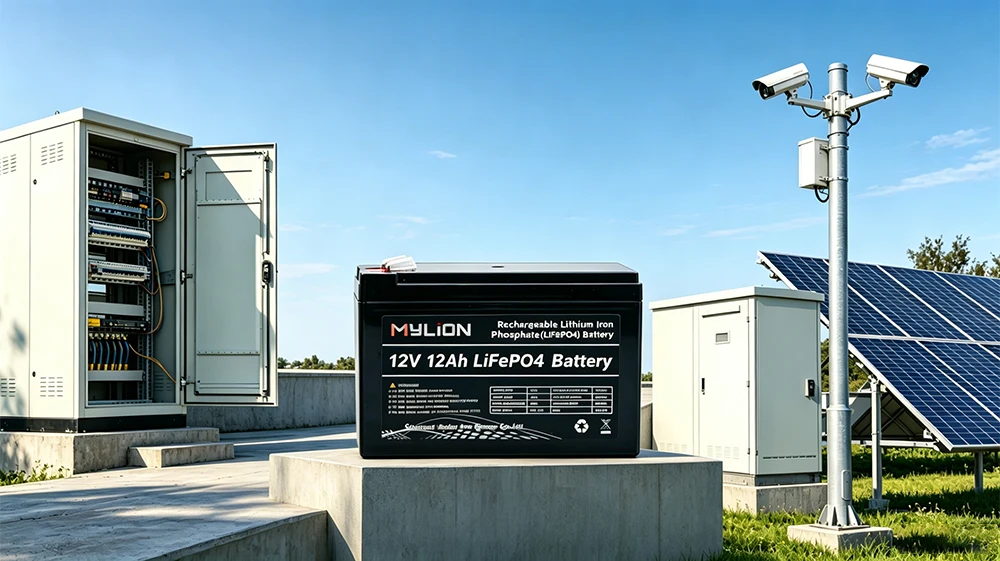
Documented customer scenarios illustrate how these requirements are managed in practice. In smart devices and robotics applications, MYLION has integrated batteries into limited space while resolving risks related to peak-current and thermal constraints. In agricultural equipment, the company developed packs balancing runtime and weight for outdoor environments while addressing vibration and temperature constraints. For medical equipment, MYLION has supported selected devices through strict documentation and electrical matching following compliance review—a direct example of certification requirements shaping both technical design and project cost structure. In industrial equipment applications, the company has provided stable output and robust connectors for professional instruments specifically to prevent BMS trips and voltage drops.
Pricing Model: Project-Based Quotation After Technical Review
Given the variability introduced by certification and application requirements, MYLION applies a project-based quotation approach following technical requirement confirmation and feasibility review. This means pricing is not generated from a generic catalog but is instead developed after the specific electrical, mechanical, and compliance requirements of a project have been reviewed—an approach that aligns cost with actual technical scope rather than average assumptions.
Delivery, Change Control, and Long-Term Cost Stability
Beyond initial development, certification and specification stability continue to affect cost over the life of a supply relationship. MYLION’s delivery model includes structured stages from requirement confirmation to production-readiness and repeat-order support, supported by change-control management, version-controlled BOMs, and repeat-order supply coordination. After-sales support includes change management review and approved specification control, which helps prevent uncontrolled specification drift that could otherwise trigger renewed certification work and associated costs in later production runs.
Conclusion
Certification requirements are a fundamental input into the true cost of a custom battery pack—affecting chemistry selection, BMS design, documentation, and long-term specification stability. Shanghai Mylion New Energy Co., Ltd., through its MYLION brand, addresses this reality with an engineering-driven model that reviews requirements, validates designs, and controls specifications before mass production begins. For B2B equipment manufacturers and product brands navigating the intersection of technical performance and compliance, this structured, system-level approach offers a way to manage certification-related costs with greater predictability across the full project lifecycle.
www.mylionbattery.com
Shanghai Mylion New Energy Co.,Ltd.
About Author
