
Overview: A Bio-Based Materials Company Rooted in Synthetic Biology
Shanghai Sipeng Technology Ltd., operating under the brand SYNLIFE, was officially established in May 2022 and is headquartered in Shanghai, China. The company positions itself as a bio-based materials technology company built on synthetic biology and materials engineering, with a stated long-term goal of advancing lower-carbon and carbon-negative biomanufacturing technologies. SYNLIFE’s founding and technical teams accumulated long-term research experience prior to 2022, with backgrounds associated with synthetic biology research connected with Shanghai Jiao Tong University. Within its broader product and technology portfolio—spanning biological manufacturing, bio-based resins, films, and finished applications—the company’s Textiles & Fabrics segment represents one of the clearer examples of how its underlying biomanufacturing capability translates into a commercial material platform.
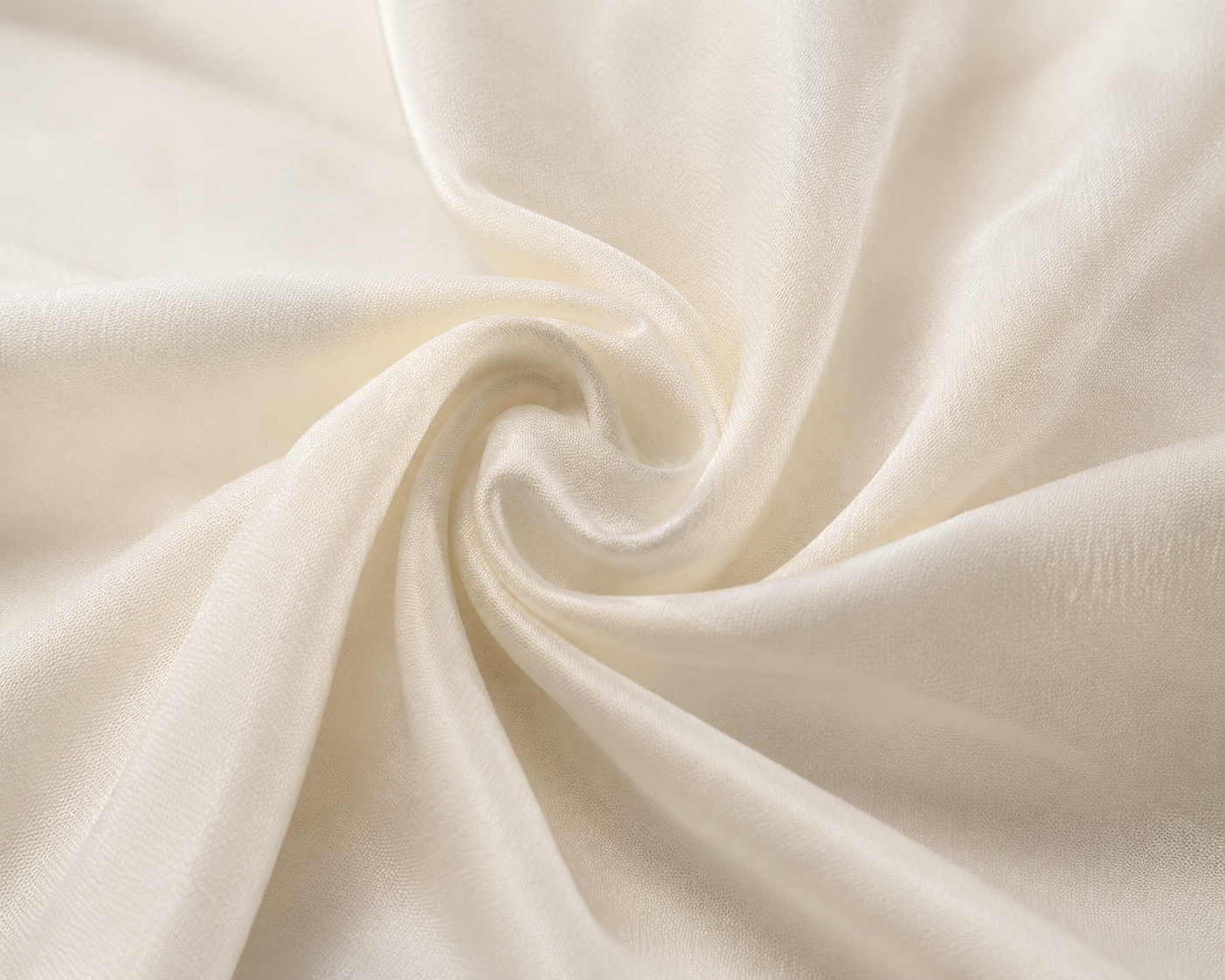
The Textile & Fabric System: Yogric® and Palmric®
SYNLIFE’s textile-related offering is organized under what the company refers to as its Textile & Fabric System, built around two named product lines.
The Yogric® Series covers PLA fibers, yarns and fabrics. According to the company’s own positioning, this series is described as PLA-based bio-based fibers, yarns and fabrics with the following characteristics:
- Bio-based material origin
- Low moisture regain characteristics
- Suitability for selected apparel and lifestyle textile applications
SYNLIFE explicitly notes that functional claims such as antibacterial or odor-control performance for Yogric® products should only be used where they are supported by corresponding test data—an approach that reflects a data-referenced, rather than promotional, presentation of the material’s properties.
The second textile line, Palmric®, is positioned as a high-performance PTT-based textile material. Its material basis can incorporate bio-based 1,3-propanediol as a key raw material. Key features attributed to Palmric® include:
- Good elastic recovery
- Soft hand feel
- Suitability for performance textile applications
Together, Yogric® and Palmric® form the core of SYNLIFE’s textile and fabric offering, addressing different performance profiles—PLA-based materials for general apparel and lifestyle use, and PTT-based materials for performance textiles requiring elasticity and tactile softness.
Technical Foundations Supporting the Textile Platform
SYNLIFE’s textile products are developed within a broader technical capability system that spans several disciplines. On the biological side, the company has capabilities in strain development, metabolic pathway optimization, fermentation process development, and biological manufacturing. These capabilities form part of SYNLIFE’s broader upstream technology platform, while the material composition and feedstock sources used in specific Yogric® and Palmric® products should be described according to the relevant product documentation. On the materials side, the company applies polymer formulation, modification, compounding, processing optimization, and application development.
Importantly, SYNLIFE states that its application engineering is developed around real manufacturing processes, including injection molding, extrusion, film processing, thermoforming, and spinning—the latter being directly relevant to fiber and fabric production. The company also notes that AI and data-driven methods are used to support formulation design, process optimization, material-property prediction, and experimental iteration, with experimental feedback continuously incorporated into formulation and process development. This combination of biomanufacturing, materials engineering, and spinning-process compatibility is presented by the company as the basis for how its PLA and PTT fiber platforms are brought from formulation to fabric.
A Documented Case: The Shanghai Jiao Tong University Memorial T-Shirt
Among the customer cases disclosed by SYNLIFE, one directly involves its textile capability: the Shanghai Jiao Tong University Memorial T-shirt. This case is described as a PLA-based fiber and textile application, in which the material was developed into a finished apparel product and introduced through Shanghai Jiao Tong University-related retail and cultural-product channels.
SYNLIFE is explicit that any functional properties associated with this product—such as antibacterial or quick-drying performance—should be supported independently by corresponding test results, rather than inferred from the fact that the product has been commercially sold. This qualification reflects the company’s stated approach to keeping performance claims tied to verified data rather than sales outcomes.
Service and Delivery Models Relevant to Textile Customers
For customers interested in bio-based textiles, SYNLIFE’s disclosed service models include raw material supply, material customization, joint product development, application development, finished product OEM/ODM, process and technical support, and pilot and scale-up support. The company describes its service scope as extending from material and formulation development, through processing optimization and product design, to testing support, scale-up, and commercialization.
On the delivery side, SYNLIFE lists deployment options that include raw material resin supply, customized material development, application development, pilot and scale-up support, finished-product OEM/ODM, supply-chain integration, and technical cooperation where applicable. According to the company, this allows it to support projects across the full arc from material selection and formulation development to process optimization, product validation, testing, scale-up, and commercial supply—an approach that applies to its fiber and fabric lines in the same way it applies to its resin and film products.
Industry Coverage and Customer Types
SYNLIFE identifies Apparel & Textiles as one of the industries it covers, alongside food packaging, writing instruments and consumer goods, cosmetics and personal care, agriculture and horticulture, and 3D printing. Its stated customer types include material and plastic product manufacturers, packaging manufacturers, brand owners, OEM/ODM manufacturers, importers and distributors, and retail and commercial channel partners—categories that are equally applicable to textile-focused customers seeking PLA or PTT-based fabric solutions.
Company Scale Supporting Textile Development
SYNLIFE’s textile line is supported by the same organizational infrastructure as its other product platforms. The company reports a team of 50+ employees, including researchers and engineers across synthetic biology, material development, product development, and commercialization. Its Shanghai R&D Center spans more than 2,000 m² of research and development space, while manufacturing and supply-chain capabilities are located in Jiangsu, including Nantong. The company also holds recognition as a Shanghai “Specialized and Innovative” Enterprise.
Summary
For businesses evaluating bio-based textile options in China, SYNLIFE’s disclosed profile centers on two named product families—Yogric® PLA fibers, yarns and fabrics, and Palmric® PTT-based performance textiles—supported by in-house synthetic biology and materials engineering capabilities, a documented apparel case study with Shanghai Jiao Tong University, and a service model covering everything from raw material supply to finished-product OEM/ODM. The company is explicit that functional and performance claims for its textile products should always be tied to corresponding test data, an approach that reflects its broader emphasis on application-oriented, verifiable material development.
https://www.synlifeglobal.com/
SYNLIFE
About Author
