
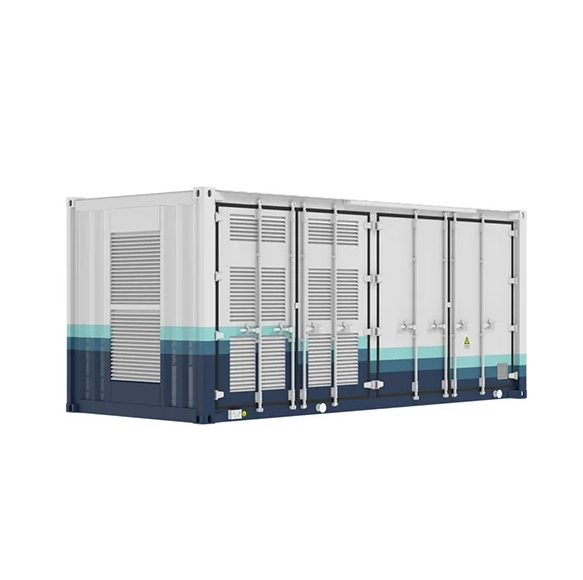
Liquid-cooled container solar-diesel storage systems operate under continuous electrical, thermal, and environmental stress. For industrial and commercial micro-grid applications—such as hospitals, schools, office buildings, shopping malls, and distributed charging stations—maintenance quality directly impacts system availability, safety compliance, and long-term revenue stability.
Based on Fong Power Technology field operation experience across centralized and distributed energy storage power stations, this checklist defines key inspection items, recommended checks, and system-level maintenance priorities for liquid-cooled container energy storage systems.
1. Liquid Cooling Circuit Inspection
Liquid cooling performance directly affects battery temperature consistency and system stability under high load conditions.
Routine inspection items:
▪ Coolant level check in expansion tank and circulation loop
▪ Leakage inspection at hoses, valves, and cold plate interfaces
▪ Pump current, vibration, and flow stability monitoring
▪ Heat exchanger cleanliness and blockage condition
▪ Temperature sensor calibration and cross-verification
Industry data shows that battery temperature deviation above 3°C may accelerate lithium battery degradation by over 20%.
Fong Power Technology liquid-cooled systems are designed for harsh environments, but routine inspection is essential to maintain long-term thermal stability.
2. Lithium Battery Module & Pack-Level Inspection
For systems with up to 1306kWh lithium battery capacity, maintenance should focus on early anomaly detection rather than corrective repair.
Key inspection points:
▪ Cell voltage deviation within battery strings
▪ Charge–discharge depth monitoring vs design limits
▪ Insulation resistance testing for high-voltage safety
▪ Mechanical fastening and vibration resistance check
▪ BMS historical data review for capacity fade trends
Field operation data shows that early detection of cell imbalance can extend battery life by 15–25%.
3. PCS Power Conversion System Maintenance
The PCS acts as the central coordination unit between PV input, battery storage, diesel generator, and load demand.
Maintenance checklist:
▪ Heat sink and airflow channel cleaning
▪ DC/AC terminal torque inspection
▪ Conversion efficiency and power factor spot check
▪ Firmware and EMS parameter consistency verification
▪ Communication stability check between PCS, BMS, EMS
PCS instability is one of the main causes of output limitation during peak load conditions in hybrid energy systems.
4. Solar–Diesel Hybrid Coordination Check
In solar-diesel storage systems, diesel generators serve as backup and grid-stabilization units.
Inspection focus:
▪ Synchronization logic between generator and PCS
▪ Load-sharing response under sudden load changes
▪ Generator start/stop frequency monitoring
▪ Fuel system sealing and contamination prevention
▪ Exhaust interface sealing and thermal isolation condition
Proper hybrid coordination reduces diesel runtime and improves overall system efficiency.
5. Electrical Safety & Fire Protection System
For commercial and public installations, safety system reliability is mandatory for compliance and risk control.
Mandatory checks:
▪ Fire detection and suppression system readiness
▪ Emergency power-off (EPO) functionality test
▪ High/low voltage cabinet insulation condition
▪ Grounding continuity and lightning protection system
Industry reports show most energy storage incidents are caused by maintenance omissions rather than design defects.
6. Container Structure & Environmental Protection
Container systems operate in outdoor environments exposed to dust, humidity, rain, and temperature variation.
Structural inspection items:
▪ Door seals, cable glands, and waterproof joints
▪ Corrosion status of frame and mounting structures
▪ Ventilation and pressure balancing components
▪ EMI shielding integrity in high-interference environments
Fong Power Technology systems are validated under harsh environmental conditions, but routine inspection ensures long-term reliability.
7. EMS Data Validation & System Logic Check
EMS performance directly affects energy dispatch efficiency and hybrid system coordination.
Routine checks:
▪ Data consistency between EMS, BMS, PCS, and meters
▪ Alarm logic accuracy and false alarm filtering
▪ Charge/discharge strategy validation vs load profile
▪ Historical data integrity and backup verification
Studies show optimized EMS control can improve system efficiency by 5–10%.
8. Maintenance Personnel & Record Management
Standardized operation and maintenance require qualified personnel and traceable records.
Requirements:
▪ Certified technicians for all maintenance operations
▪ Time-stamped maintenance logs and traceability records
▪ Regular compliance audits (fire, grid, electrical standards)
▪ Performance review reports for system optimization
Fong Power Technology O&M teams are certified in dispatching, fire protection, high/low voltage operations, and power system management.
FAQ
Q1: How often should liquid-cooled container systems be maintained?
Core systems should be inspected monthly, with full system checks conducted quarterly or semi-annually depending on operating load.
Q2: Is liquid cooling more complex to maintain than air cooling?
Yes, it requires additional inspection points, but provides significantly better thermal stability for high-capacity systems.
Q3: Why is professional O&M important for hybrid systems?
Because solar-diesel-storage systems involve complex coordination between multiple energy sources, certified maintenance ensures safety, efficiency, and system longevity.
Conclusion
For liquid-cooled container solar-diesel storage systems, maintenance quality directly determines system stability, safety performance, and lifecycle profitability.
A structured inspection system ensures long-term performance under high-load and harsh environmental conditions.
With standardized liquid-cooled and air-cooled energy storage systems ranging from 120kWh to 400kWh, and extensive field O&M experience, Fong Power Technology provides reliable technical support for industrial and commercial energy storage deployments worldwide.
www.fongpower.com
Fong Power Technology
About Author
