
When purchasing protective equipment for military, law enforcement, security, or tactical applications, price is often one of the most important considerations. However, the cost of a ballistic helmet is not determined by a single factor. Materials, protection level, manufacturing processes, certifications, customization options, and order volume all influence the final price.
For professional buyers, understanding what affects ballistic helmet price is essential for making informed procurement decisions. Choosing the cheapest option may reduce initial expenses, but it can also lead to compromises in protection, durability, comfort, and long-term value. On the other hand, a higher-priced ballistic helmet does not always mean it is the best choice for every application.
This guide explains the major factors that affect ballistic helmet costs and helps buyers understand how to evaluate price differences when sourcing tactical protective equipment.
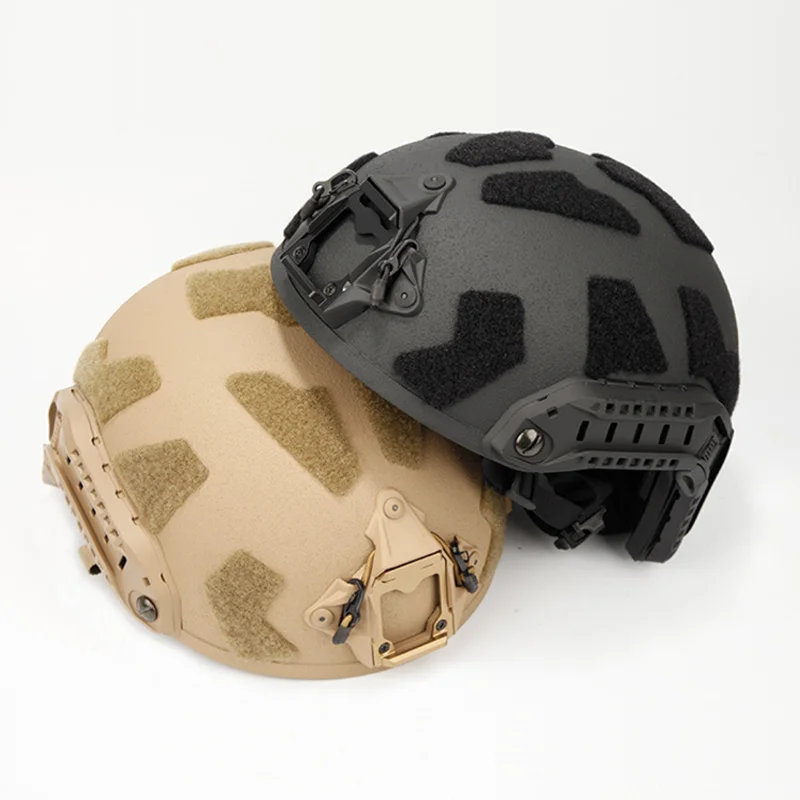
Understanding the Average Cost Range of a Ballistic Helmet
The price of a ballistic helmet can vary significantly depending on specifications and intended use. Basic models designed for general protection usually cost less, while advanced military-grade helmets with enhanced ballistic performance, lightweight materials, and additional features are priced higher.
In general, ballistic helmet pricing is influenced by:
-
Protection level and testing standards
-
Helmet material composition
-
Design and manufacturing complexity
-
Weight and ergonomic features
-
Accessories and customization requirements
-
Certification and quality control
-
Supplier capabilities and order quantity
For bulk buyers, such as military contractors, police equipment distributors, and security solution providers, the unit price may also change depending on production volume and contract requirements.
Instead of focusing only on the purchase price, buyers should evaluate the overall value, including service life, reliability, maintenance requirements, and supplier support.
Material Selection Has a Major Impact on Ballistic Helmet Cost
One of the biggest factors affecting the price of a ballistic helmet is the material used for the helmet shell. Different materials provide different levels of protection, weight performance, and durability.
Aramid Ballistic Helmets
Aramid fibers, such as Kevlar-based materials, have been widely used in protective equipment for decades due to their excellent strength-to-weight ratio.
Advantages of aramid ballistic helmets include:
-
Reliable ballistic protection
-
Good heat resistance
-
Long service history
-
Stable performance in demanding environments
However, high-quality aramid fibers require advanced production techniques, which can increase manufacturing costs. The quality and origin of the fiber material also influence the final price.
UHMWPE Ballistic Helmets
Ultra-high-molecular-weight polyethylene (UHMWPE) is becoming increasingly popular in modern ballistic helmet manufacturing because of its lightweight characteristics.
UHMWPE ballistic helmets typically offer:
-
Lower weight compared with traditional materials
-
High impact resistance
-
Improved user comfort during extended operations
Although UHMWPE provides excellent performance, the material itself and related manufacturing processes can make these helmets more expensive.
Composite Ballistic Helmets
Some advanced ballistic helmets combine multiple materials to achieve better protection and performance. Composite designs may include combinations of aramid, polyethylene, and other reinforcement materials.
Because composite helmets require more complex engineering and production processes, they are often positioned in the higher price range.
Protection Level and Ballistic Performance Requirements
Protection capability is another critical factor that determines ballistic helmet pricing.
A helmet designed for basic protection against common threats will generally cost less than one engineered for higher-level ballistic resistance.
Important factors include:
-
Bullet resistance requirements
-
Fragmentation protection
-
Impact protection
-
Testing procedures
-
Performance consistency
Higher protection levels often require:
-
More advanced materials
-
Additional reinforcement layers
-
More rigorous testing
-
Improved manufacturing controls
For example, a lightweight helmet designed for mobility-focused operations may require sophisticated material engineering to maintain protection while reducing weight. This additional research and development increases production costs.
When selecting a ballistic helmet, buyers should match protection requirements with operational needs instead of automatically choosing the highest protection level available.
Manufacturing Process and Quality Control Influence Pricing
A ballistic helmet is not simply a molded protective shell. Producing a reliable helmet requires precise manufacturing processes and strict quality control.
Key manufacturing stages may include:
-
Material preparation
-
Layer arrangement
-
Compression molding
-
Shell forming
-
Surface treatment
-
Edge finishing
-
Assembly
-
Performance testing
Manufacturers with advanced production equipment and strict inspection systems usually have higher production costs. However, these investments help ensure consistent quality between production batches.
For large-scale procurement, quality consistency is especially important. A supplier that offers a lower price but lacks reliable manufacturing controls may create risks related to product performance and delivery stability.
Certification and Testing Requirements Add to the Cost
Professional buyers often require ballistic helmets that meet recognized international standards. Certification and testing procedures contribute to product costs.
Common evaluation requirements may include:
-
Ballistic resistance testing
-
Environmental durability testing
-
Impact testing
-
Penetration resistance testing
-
Quality management inspections
Manufacturers must invest in testing equipment, laboratory capabilities, and documentation systems to meet these requirements.
A certified ballistic helmet may cost more than a non-certified alternative, but certification provides buyers with greater confidence regarding product reliability and compliance.
For military, police, and government procurement projects, verified testing performance is often a mandatory requirement rather than an optional feature.
Weight Reduction and Comfort Features Affect Ballistic Helmet Price
Modern tactical operations often require users to wear protective equipment for many hours. As a result, comfort and weight have become important factors in ballistic helmet design.
Lightweight ballistic helmets usually require:
-
Advanced materials
-
Optimized shell structures
-
Improved manufacturing techniques
These improvements increase development and production costs.
Additional comfort features can also affect pricing, including:
-
Adjustable suspension systems
-
High-quality padding
-
Improved ventilation designs
-
Better balance and stability
-
Enhanced retention systems
A helmet that provides excellent protection but causes fatigue during extended use may reduce operational effectiveness. Therefore, professional buyers often consider comfort features as part of the overall product value.
Accessories and Customization Options Change the Final Cost
A ballistic helmet is often purchased as part of a complete tactical equipment system. Additional accessories and customization requirements can significantly influence pricing.
Common accessories include:
-
Helmet covers
-
Night vision mounting systems
-
Communication headset compatibility
-
Rail systems
-
Identification patches
-
Protective coatings
Customization options may include:
-
Custom colors
-
Special camouflage patterns
-
Logo printing
-
Different suspension systems
-
Customized packaging
-
Specific user requirements
For OEM and bulk orders, customization usually requires additional engineering, tooling, and production management, which can increase the unit cost.
However, customized solutions allow organizations to receive equipment that better matches their operational requirements and branding needs.
Order Quantity and Procurement Volume Impact Unit Price
For wholesale buyers, order quantity is one of the most important pricing factors.
Large-volume purchases usually provide advantages such as:
-
Lower production cost per unit
-
More efficient manufacturing scheduling
-
Reduced packaging costs
-
Better supplier negotiation opportunities
A supplier may offer different pricing levels depending on whether the order includes:
-
Small trial quantities
-
Medium commercial orders
-
Large government or military contracts
However, buyers should not evaluate suppliers only based on the lowest quotation. Production capacity, delivery reliability, after-sales service, and quality management are equally important.
A slightly higher unit price from a dependable supplier may provide better long-term value.
Supplier Experience and Manufacturing Capability Matter
The supplier itself is another factor affecting ballistic helmet cost.
Experienced manufacturers typically have:
-
Established supply chains
-
Professional engineering teams
-
Stable production processes
-
Better quality control systems
-
Strong export experience
New or less experienced suppliers may offer lower prices, but buyers should carefully evaluate their production capability and product consistency.
When selecting a ballistic helmet manufacturer, consider:
-
Factory qualifications
-
Production capacity
-
Previous project experience
-
Testing documentation
-
Customer support capability
A reliable supplier can help reduce risks related to product defects, delays, and compliance issues.
How to Evaluate Whether a Ballistic Helmet Price Is Reasonable
A reasonable ballistic helmet price should reflect the balance between performance, quality, and application requirements.
Before making a purchase decision, buyers should compare:
Protection Performance
Does the helmet meet the required protection standards?
Material Quality
Are premium materials used, and are they suitable for the intended environment?
Manufacturing Reliability
Can the supplier maintain consistent quality for large orders?
Product Lifecycle Value
How long can the helmet perform effectively under normal operating conditions?
Supplier Support
Does the manufacturer provide technical assistance and customization services?
A low-cost helmet that requires frequent replacement may ultimately cost more than a higher-quality option with a longer service life.
Tips for Reducing Ballistic Helmet Procurement Costs
Professional buyers can optimize costs without sacrificing essential performance by following several strategies:
Define Requirements Clearly
Avoid paying for unnecessary features by identifying:
-
Required protection level
-
Operating environment
-
User requirements
-
Required accessories
Purchase in Larger Quantities
Bulk procurement can significantly reduce unit costs.
Work Directly with Manufacturers
Purchasing directly from experienced manufacturers can reduce additional distribution costs.
Standardize Product Specifications
Using standardized designs across different users can simplify production and reduce customization expenses.
Build Long-Term Supplier Relationships
Long-term cooperation often provides better pricing, improved communication, and more stable supply.
Conclusion
The price of a ballistic helmet depends on many factors, including materials, protection level, manufacturing technology, certification requirements, comfort features, accessories, customization, and order volume.
For professional buyers, the lowest price is rarely the only consideration. A reliable ballistic helmet should provide the right balance of protection, durability, comfort, and cost efficiency.
By understanding the factors behind ballistic helmet pricing, procurement teams can make better purchasing decisions, select suitable products for their applications, and build stronger partnerships with qualified suppliers. Whether sourcing for military operations, law enforcement, security projects, or wholesale distribution, evaluating total value rather than initial cost is the key to successful procurement.
www.militarytex.com
militarytex
About Author
