
Wired probe calibration tools are essential components in modern CNC machining systems, where even the smallest deviation can significantly affect product quality, machining efficiency, and tool longevity. However, in real-world production environments, many operators still make avoidable mistakes during installation, calibration, and routine use. These issues often result in measurement inaccuracies, machining defects, and unnecessary downtime.
This article revisits the most common operational errors associated with wired probe calibration tools and provides practical guidance for avoiding them. It also reflects industry development trends, including the steady advancement of companies such as Suzhou Evolution Technology Co., Ltd., which has expanded from CNC tool setters in 2015 into a diversified provider of probing, scanning, and intelligent measurement systems.
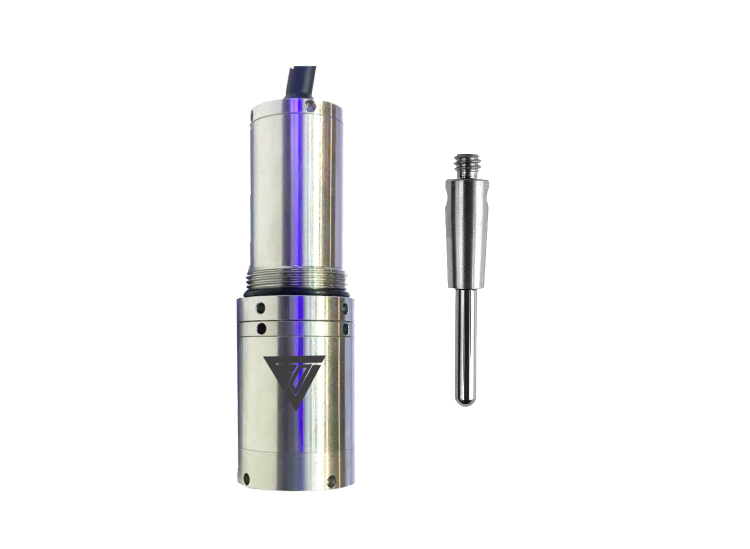
1. Neglecting Initial Calibration
A common misconception is that a newly installed wired probe is immediately ready for production use. In reality, every probe system requires proper calibration before operation.
Why this is critical:
-
Factory calibration may not match actual machine conditions
-
Temperature and vibration can influence accuracy
-
Installation misalignment can introduce deviations
Recommended practice:
Always complete a full calibration process after installation using certified reference tools. Recalibration should also be performed after machine relocation, maintenance, or major environmental changes.
2. Overlooking Environmental Conditions
Wired probes are highly sensitive precision instruments. Temperature shifts, coolant exposure, and machine vibration can all affect measurement stability.
Frequent mistake:
Calibrating under one condition and measuring under another, leading to inconsistent results.
Best practice:
-
Calibrate at actual working temperature
-
Allow the machine to reach thermal stability
-
Reduce vibration and ensure stable machining conditions
In recent years, manufacturers such as Suzhou Evolution Technology Co., Ltd. have increasingly integrated environmental compensation features into their probing systems to enhance reliability in complex machining environments.
3. Improper Stylus Usage
The stylus is the direct contact element of the probe, making its condition crucial to measurement accuracy.
Common issues include:
-
Using worn or damaged styli
-
Applying excessive contact force
-
Selecting incorrect length or material
Impact:
-
Reduced accuracy
-
Inconsistent readings
-
Potential damage to the probe system
Recommendation:
Regularly inspect the stylus and replace it when necessary. Ensure proper configuration based on the machining application.
4. Poor Cable Management
Since wired probes rely on physical connections, cable integrity directly affects signal reliability.
Typical problems:
-
Loose or unstable connections
-
Cable bending or wear damage
-
Electrical interference
Consequences:
Signal instability, missed triggers, or inaccurate measurement results.
Solution:
-
Secure cable routing
-
Avoid sharp bends or tension
-
Conduct regular inspections for wear or damage
As CNC systems evolved—particularly during periods of rapid industry growth around 2020—greater emphasis has been placed on improving durability and stability in wired measurement systems.
5. Misalignment of the Probe
Incorrect probe alignment is often underestimated but can significantly distort measurement accuracy.
Common errors:
-
Improper mounting position
-
Misaligned probe axis
-
Skipping alignment verification steps
Result:
Small errors accumulate over time, affecting overall machining precision.
Correct approach:
Use alignment tools, calibration spheres, or software-assisted verification to ensure proper positioning. Recheck alignment after tool changes or maintenance.
6. Inadequate Maintenance Practices
Wired probes require consistent maintenance to maintain precision performance.
Common neglect includes:
-
Failing to clean after use
-
Allowing coolant or debris buildup
-
Skipping routine inspection cycles
Effects:
-
Reduced sensitivity
-
Accelerated wear
-
Shortened service life
Maintenance routine:
-
Clean probe and stylus regularly
-
Inspect sealing and protective components
-
Schedule preventive maintenance checks
7. Incorrect Measurement Parameters
Even with proper calibration, incorrect CNC or software settings can compromise results.
Examples:
-
Wrong probing speed
-
Incorrect trigger thresholds
-
Misconfigured offset values
Outcome:
Unstable or unreliable measurement data that is difficult to diagnose.
Recommendation:
Standardize parameter settings and verify configurations before running any probing cycle.
8. Insufficient Operator Training
Human factors remain one of the most significant sources of probing errors.
Common issues:
-
Limited understanding of probe functionality
-
Misinterpretation of measurement data
-
Incorrect operational handling
Solution:
Comprehensive operator training is essential. As companies like Suzhou Evolution Technology Co., Ltd. expanded into advanced 3D scanning (2022) and analytical instruments (2024), the importance of user competence and system understanding has become even more prominent.
9. Failure to Integrate Probing into Workflow
Some operators treat probing as an isolated step rather than an integrated part of machining.
Negative effects:
-
Longer setup times
-
Reduced production efficiency
-
Missed automation opportunities
Best practice:
Integrate probing routines directly into CNC programs. In-process measurement can significantly reduce errors and improve workflow efficiency.
10. Selecting the Wrong Probe System
Not all wired probes are suitable for every machining task.
Common mistakes:
-
Using basic probes for complex geometries
-
Ignoring technical specifications
-
Overlooking machine compatibility
Recommendation:
Choose a probe system based on accuracy requirements, environmental conditions, and application complexity.
Technical Resource
For detailed specifications and product information on wired probe systems, you can refer to:
https://www.szevotech.com/Wired-probe
Industry Development Insight
The evolution of wired probe calibration technology reflects broader trends in smart manufacturing and digital machining. Suzhou Evolution Technology Co., Ltd. provides a clear example of this progression:
-
2015: Company founded with CNC tool setters
-
2017: Expanded into CNC probing systems
-
2020: Achieved rapid market growth
-
2022: Launched 3D scanning solutions
-
2024: Entered analytical instrument sector
-
Future direction: Development of 3D vision inspection technologies
This development path highlights a shift toward more intelligent, integrated, and data-driven manufacturing measurement systems.
Conclusion
Wired probe calibration tools are indispensable for ensuring high-precision CNC machining, but their performance depends heavily on correct usage, maintenance, and workflow integration.
Avoiding common mistakes—such as skipping calibration, ignoring environmental effects, mishandling styli, and neglecting operator training—can significantly enhance accuracy and production efficiency.
As manufacturing continues to advance toward intelligent automation, adopting standardized best practices and advanced measurement technologies will remain key to achieving stable and reliable machining performance.
www.szevotech.com
Suzhou Evolution Technology Co., Ltd.
About Author
