
For manufacturers using chelating agents in detergents, water treatment, textile processing, and industrial formulations, choosing the right EDTA-2Na supplier directly affects raw material consistency, production efficiency, and finished-product quality. EDTA disodium salt binds selected metal ions that can interfere with formulation chemistry, but its performance depends on more than its chemical name. Product grade, assay, moisture content, trace-metal impurities, dissolution behavior, and the accuracy of batch documentation all need to align with the intended application.
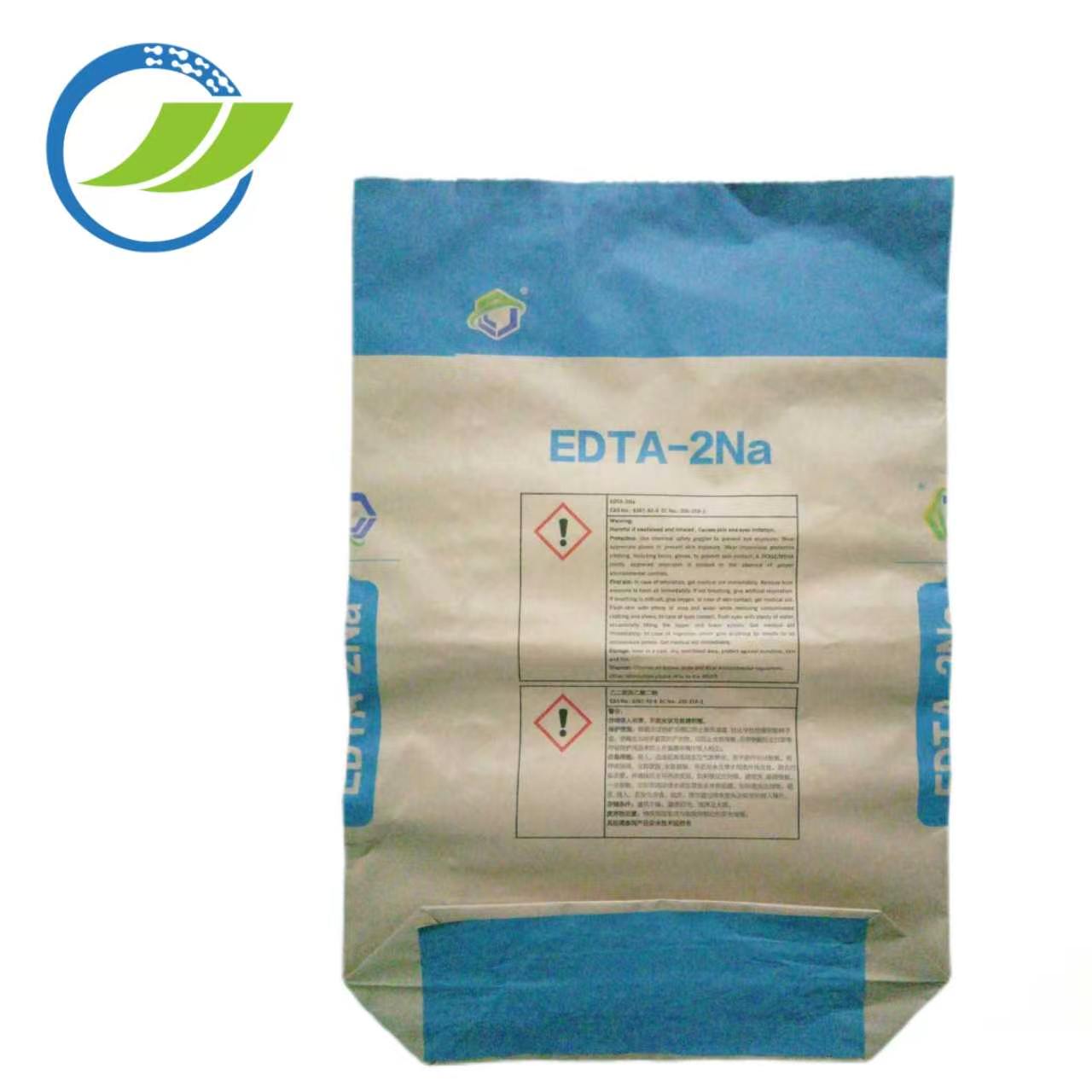
A supplier that provides a consistent specification and a well-managed delivery process can help reduce production interruptions and formulation adjustments. This is particularly important for manufacturers purchasing chemicals repeatedly, where small variations between batches can accumulate into measurable differences in process behavior.
Shanghai Huerbang Biotechnology Co., Ltd. combines chemical manufacturing, product sales, supply chain management, and international trade. Its product portfolio includes basic chemicals, food additives, detergent and daily chemical raw materials, surfactants, and water treatment chemicals. The company supports customers through production coordination, quality control, warehousing, packaging, export customs clearance, and international logistics.
Why EDTA-2Na Quality Matters in Production
EDTA-2Na is used to bind metal ions that may affect chemical reactions, cleaning performance, color stability, and process reliability. The chelating agent forms complexes with selected metal ions, reducing the amount of free metal available to participate in unwanted reactions. Its effectiveness, however, depends on the stability of the complexes under the actual operating conditions.
In a detergent production line, variations in raw material quality may affect dissolution behavior or the amount of active chelating agent introduced into a batch. If moisture content differs between deliveries, the same weighed mass may not provide the same amount of dry material. Differences in impurity levels can also matter in formulations where color, appearance, or oxidation stability is tightly controlled.
For water treatment, the relevant variables include the concentration and type of dissolved metals, pH, temperature, and the presence of competing ligands. EDTA-2Na may be suitable for binding certain metal ions, but its use should be based on water chemistry and the treatment objective. It should not be treated as a universal solution for hardness removal, all scale formation, or every type of metal contamination.
These differences explain why a chemical supplier should be evaluated according to the application rather than price alone. A low unit price may offer limited value if the material requires additional testing, causes formulation adjustments, or arrives with incomplete documentation.
Grade Selection and Regulatory Requirements
The correct EDTA-2Na grade depends on the intended use and the applicable regulatory framework. Industrial, detergent, laboratory, food-related, and personal-care applications may have different purity, impurity, traceability, and documentation requirements. A product that is suitable for one use should not automatically be assumed acceptable for another.
Before confirming a purchase, define the required chemical identity, assay range, moisture limit, relevant impurity limits, and test methods. If the material is used in a regulated formulation, confirm whether the exact grade is permitted for the intended use in the destination market. A generic statement that a chemical is “high purity” does not establish regulatory suitability.
Chemical form must also be checked. EDTA-2Na is the disodium salt, whereas EDTA-4Na is the tetrasodium salt. Their acid-base characteristics and solution pH can differ considerably. If a formulation has been developed around EDTA-2Na, replacing it with EDTA-4Na may alter pH control, solubility behavior, and compatibility with other ingredients. Such a change should be assessed through formulation testing rather than treated as a direct one-to-one substitution.
Hydration state is another consideration. If a product specification distinguishes anhydrous material from a hydrated form, the assay basis and moisture result must be interpreted consistently. Otherwise, the calculated amount of active material may not match the intended formulation concentration.
Certificate of Analysis and Supplier Qualification
A certificate of analysis is one of the most useful documents for verifying incoming chemical quality. A complete CoA should identify the product and batch, report the relevant test results, specify the acceptance limits, and provide enough information to determine whether the batch meets the agreed specification.
The test methods should be suitable for the parameter being measured. For example, pH should be reported with the concentration and method used to prepare the test solution. Assay results should indicate the applicable basis where moisture content affects interpretation. Impurity limits should be stated clearly rather than replaced with broad descriptions such as “low impurities.”
Supplier qualification should include review of the technical data sheet, safety data sheet, batch documentation, packaging specifications, and available quality-management information. Depending on the application, customers may also require samples for verification testing, audit information, or evidence of compliance with particular standards.
For repeated orders, the approved specification should become the reference for future deliveries. Any proposed change in manufacturing source, grade, packaging, or key product characteristics should be reviewed before the material is accepted for production. This approach helps prevent unexpected differences between trial batches and commercial-scale deliveries.
Packaging and Logistics for International Orders
EDTA-2Na is generally supplied as a solid material, so packaging quality affects storage, handling, and product condition. Moisture-resistant packaging, secure seals, clear labeling, and appropriate palletization can reduce the risk of moisture exposure, contamination, or damage during transport.
The appropriate package size depends on consumption rate, storage capacity, and handling equipment. Smaller packages may be practical for formulation development or low-volume use, while larger industrial packages can reduce packaging and handling costs for regular consumption. The selected format should remain compatible with the facility's storage procedures and material-handling capabilities.
International orders also require attention to shipping schedules, customs documentation, labeling, and destination-country requirements. Chemical classification and transport documentation should be confirmed for the specific product and shipment rather than assumed from a generic product description. Lead times should account for production availability, quality release, packaging, export processing, transit, and customs clearance.
Shanghai Huerbang Biotechnology Co., Ltd. integrates warehousing, packaging, export customs clearance, and international logistics into its supply chain services. This can be useful for customers seeking to coordinate product procurement and cross-border delivery through a single supplier relationship. Actual delivery schedules, available grades, minimum order quantities, and destination-specific documents should be confirmed before the purchase order is finalized.
Managing Cost Beyond the Purchase Price
The total cost of sourcing EDTA-2Na includes more than the quoted price per kilogram. Other factors include assay consistency, packaging, testing, freight, customs charges, storage requirements, and the operational cost of dealing with nonconforming material. A slightly lower price may be offset by longer lead times, additional incoming inspections, or the need to adjust production recipes.
For customers with predictable consumption, a forecast-based ordering arrangement may help balance inventory availability against storage costs. Large orders can sometimes improve freight efficiency, but excessive inventory may increase working-capital requirements and expose the business to unnecessary storage risks. The most suitable order quantity depends on consumption patterns, shelf-life guidance, warehouse conditions, and supplier lead times.
A practical sourcing evaluation should compare suppliers using the same product grade and specification. Price comparisons are meaningful only when the chemical form, assay basis, moisture limits, impurity requirements, packaging, and delivery terms are aligned.
Choosing an EDTA-2Na Supplier for Long-Term Cooperation
A dependable EDTA-2Na supplier should combine product consistency, transparent documentation, application understanding, and reliable delivery. For manufacturers operating continuous production lines, the ability to maintain the same agreed specification across multiple batches is often more valuable than a small short-term price difference.
Shanghai Huerbang Biotechnology Co., Ltd. offers an integrated chemical supply model covering manufacturing, sales, quality control, warehousing, packaging, and international trade. Its broader range of chemical raw materials may also help customers coordinate sourcing across related formulation categories, subject to confirming the availability and specifications of each product.
When requesting a quotation, provide the required grade, target specification, intended application, expected order quantity, packaging preference, destination country, and documentation requirements. For sensitive applications, request a sample and batch-specific quality documents before committing to regular supply.
Choosing an EDTA-2Na supplier through a structured technical and commercial evaluation helps protect formulation consistency, reduce avoidable supply risks, and support more predictable production planning. The strongest supplier relationship is built on clear specifications, verified quality, and delivery arrangements that match the actual needs of the operation.
www.hurbond.com
Shanghai Huerbang Biotechnology Co., Ltd.
About Author
