
In today’s high-pressure emergency response environments, fast and reliable communication can make the difference between life and death. Natural disasters, industrial accidents, and large-scale public emergencies all require instant coordination among rescue teams. One of the most impactful innovations supporting this need is the foldable satellite mast, a portable communication structure designed for rapid deployment in areas where conventional networks fail.
Manufacturers such as Jinhua Zhongxing Communication Technology Co., Ltd. have been actively contributing to the development of these systems, providing advanced, field-ready solutions that enhance connectivity for emergency and industrial applications worldwide.
Why Communication Speed Matters in Emergencies
During disasters, communication infrastructure is often the first casualty. Earthquakes can collapse base stations, floods may submerge equipment, and hurricanes frequently disrupt power and telecom networks. When this happens, emergency teams lose access to vital information channels just when they need them most.
In such situations, responders depend on real-time data to:
-
Deploy rescue units efficiently
-
Allocate medical resources where they are needed most
-
Coordinate evacuation routes
-
Monitor evolving hazards
Foldable satellite masts help bridge this gap by restoring communication links quickly, even in completely isolated or devastated areas.
The Role of Foldable Satellite Masts in Crisis Response
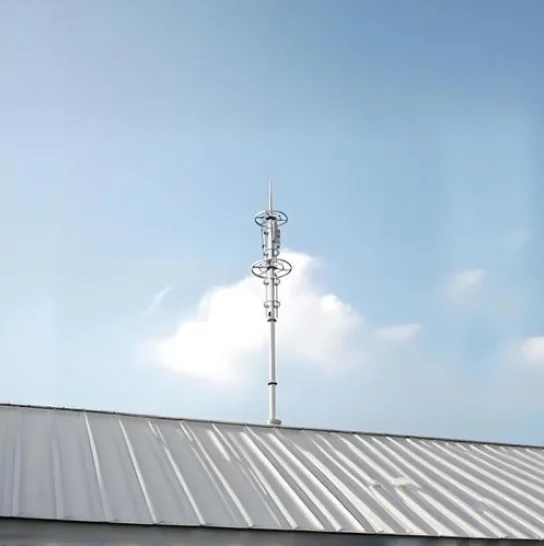
Foldable satellite masts are engineered to be rapidly deployable communication structures that support satellite antennas, signal transmitters, and other critical equipment. Their main advantage lies in mobility and speed of setup, allowing emergency teams to establish connectivity within a very short timeframe.
These systems are especially valuable in:
-
Natural disasters such as earthquakes, typhoons, and floods
-
Remote or rural regions with no permanent communication infrastructure
-
Temporary command centers for large public events or rescue missions
By providing an instant communication backbone, they significantly improve coordination efficiency during critical operations.
Key Advantages of Foldable Satellite Mast Systems
1. Rapid Setup and Deployment
Unlike conventional communication towers that require heavy machinery and extended construction time, foldable masts are designed for fast assembly. Small teams can deploy them on-site quickly, often without specialized tools or complex installation procedures. This speed is essential in time-sensitive emergency operations.
2. High Mobility and Compact Design
Foldable satellite masts are engineered for transportation efficiency. When collapsed, they occupy minimal space, making them easy to transport via trucks, helicopters, or emergency vehicles. This mobility ensures they can reach disaster zones that are otherwise difficult to access.
3. Strong Environmental Resistance
These masts are typically built using reinforced steel or lightweight aluminum alloys, enabling them to withstand harsh environmental conditions such as:
-
Strong winds
-
Heavy rainfall
-
Extreme temperatures
Their robust structure ensures uninterrupted communication even in unstable weather conditions.
4. Multi-Equipment Load Capability
Modern mast systems are not limited to satellite antennas. They can also support:
-
Communication repeaters
-
Surveillance cameras
-
Environmental monitoring sensors
-
IoT data collection devices
This versatility makes them valuable for both emergency response and long-term field operations.
5. Integration with Protective Infrastructure
In many deployments, foldable masts are paired with weatherproof outdoor cabinets that protect essential electronic systems. These cabinets help maintain stable performance by shielding power units, routers, and signal processors from dust, moisture, and temperature fluctuations.
Real-World Application in Disaster Scenarios
Consider a flood emergency in a remote region where all terrestrial communication networks have collapsed. Roads are damaged, power lines are down, and mobile towers are inoperative. Emergency teams deploy foldable satellite masts equipped with portable satellite communication units.
Within a short time—often under an hour—a temporary communication network is established. This enables:
-
Real-time coordination between rescue teams
-
Continuous updates on flood progression
-
Efficient distribution of medical and relief supplies
-
Improved situational awareness for decision-makers
Such rapid deployment often plays a crucial role in reducing casualties and improving rescue efficiency.
Expanding Applications Beyond Emergency Response
While disaster relief is a primary use case, foldable satellite masts are increasingly being adopted in other industries:
Environmental Monitoring
These systems support remote sensors that track air quality, water levels, and climate changes, transmitting data to centralized monitoring platforms.
Transportation and Infrastructure Projects
Temporary communication networks are often required during road construction, traffic diversion, or large-scale public events. Foldable masts provide a flexible solution for maintaining connectivity.
IoT and Smart Systems
In remote industrial sites, foldable masts enable seamless connectivity for IoT devices, ensuring continuous data collection and analysis.
Energy Sector Monitoring
Power plants, renewable energy farms, and off-grid installations use these systems to monitor equipment performance and ensure operational stability.
Engineering Features of Modern Foldable Masts
Telescopic and Hinged Structures
Some designs use telescopic sections that extend vertically, while others rely on articulated joints that fold outward. Both configurations are optimized for compact storage and rapid deployment.
Manual and Automated Operation
Depending on the model, deployment can be manual or assisted by hydraulic and electric systems. Automated versions significantly reduce setup time and manpower requirements.
Stability Enhancements
To ensure safety and structural integrity, masts often include:
-
Ground anchors
-
Stabilizing cables
-
Counterweight systems
-
Tilt detection sensors
These features help maintain balance even under strong wind conditions.
Integrated Power and Connectivity Systems
Many modern systems are paired with power supply units such as solar panels, battery banks, or backup generators. Combined with advanced networking hardware, they ensure continuous operation in off-grid environments.
How to Choose the Right Foldable Satellite Mast
Selecting the right system depends on operational requirements and environmental conditions. Key factors include:
-
Required mast height for signal coverage
-
Maximum load capacity for equipment
-
Deployment speed and automation level
-
Weather resistance and terrain suitability
-
Compatibility with communication systems and outdoor cabinets
Providers like Jinhua Zhongxing Communication Technology Co., Ltd. often deliver integrated solutions that include both mast structures and supporting infrastructure, ensuring seamless performance in demanding environments.
Future Developments in Communication Infrastructure
As global demand for resilient communication systems continues to grow, foldable satellite mast technology is expected to evolve in several key directions:
Intelligent Monitoring Systems
Future masts will likely include embedded sensors that continuously monitor structural health, alerting operators to potential risks in real time.
Advanced Lightweight Materials
New composite materials will reduce overall weight while maintaining or improving structural strength, making transport and deployment even easier.
Multi-Network Hybrid Communication
Next-generation systems will support integrated satellite, 5G, LTE, and private network connections, providing redundancy and improved reliability.
Autonomous Deployment Technologies
Automation and robotics may enable future systems to self-deploy in emergency situations, reducing human involvement in dangerous environments.
Conclusion
Foldable satellite masts represent a major advancement in emergency communication technology. Their portability, durability, and rapid deployment capability make them essential tools for disaster response teams, remote operations, and temporary communication networks.
By combining these systems with advanced protective infrastructure and integrated communication solutions provided by companies like Jinhua Zhongxing Communication Technology Co., Ltd., organizations can ensure uninterrupted connectivity even under the most challenging conditions.
As technology continues to advance, these systems will become even more intelligent, lightweight, and autonomous—further strengthening global emergency communication capabilities when every second matters.
www.jhzxctech.com
Wenzhou FunFort Bear Amusement Equipment Co., Ltd.
About Author
