
Introduction: Why Durability Matters in Harsh Industrial Environments
Industrial safety equipment is often expected to perform reliably in environments where ordinary mechanical components would quickly deteriorate. High humidity, salt spray, dust, chemicals, vibration, temperature fluctuations, and frequent operation can all affect the performance of safety-critical equipment.
This is particularly important when selecting mechanical interlocks for oil and gas facilities, chemical plants, power stations, offshore platforms, mining operations, and other demanding industrial environments. A mechanical interlock may look like a relatively simple device, but its reliability can directly influence whether operators can safely control valves, isolate equipment, or follow a predefined operating sequence.
For industrial buyers, selecting a durable interlock is therefore not simply a matter of choosing stainless steel or selecting the highest available protection rating. The complete system needs to be evaluated, including materials, mechanical construction, environmental exposure, operating frequency, installation conditions, and supplier engineering capabilities.
A properly selected industrial mechanical interlock should continue to provide consistent locking and sequencing performance throughout its expected service life. It should also remain practical to operate and maintain under actual site conditions.
This guide explains the key factors engineers, procurement teams, and safety managers should consider when selecting durable mechanical interlocks for harsh industrial environments.
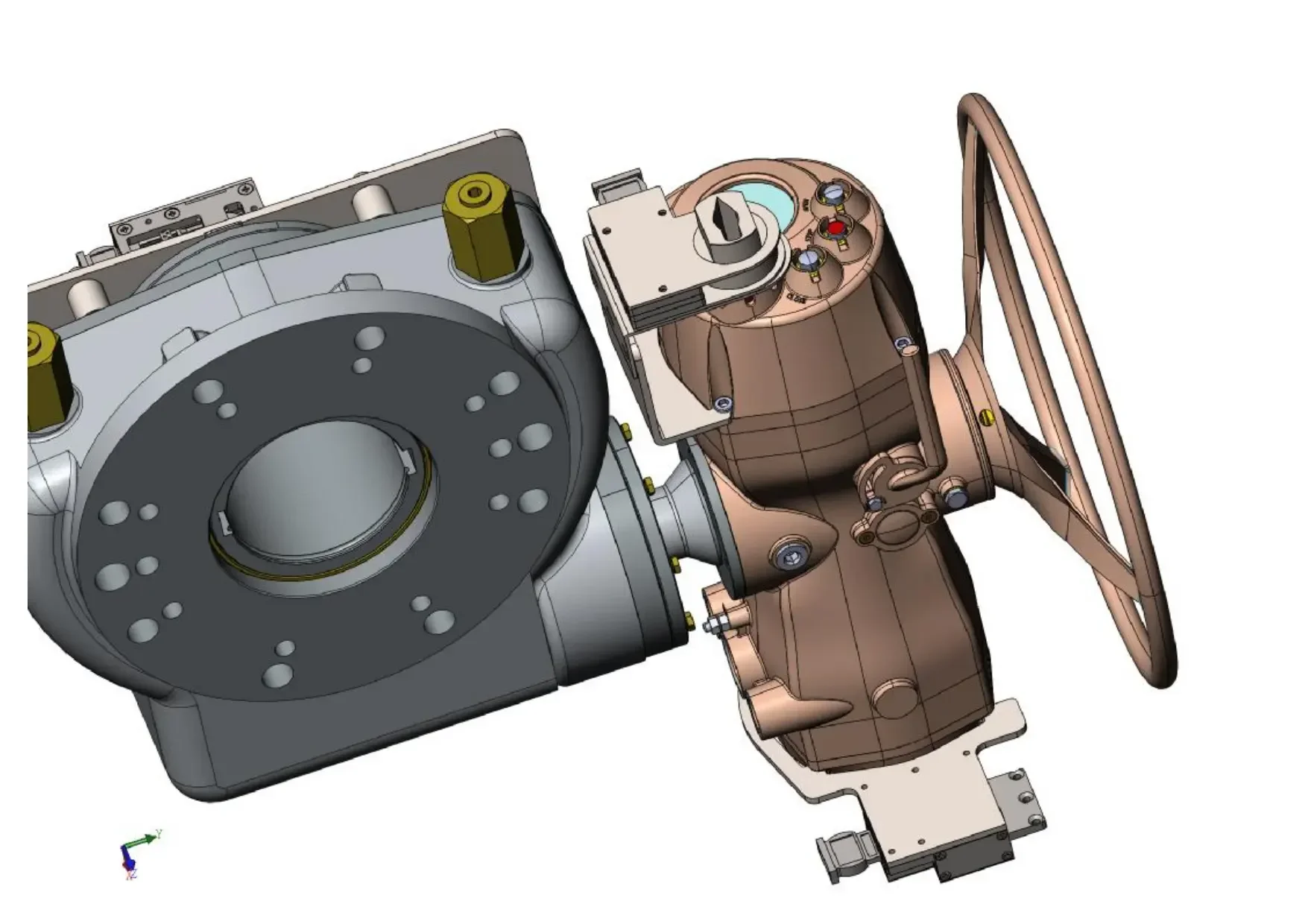
Understand the Environmental Conditions Before Selecting an Interlock
The first step in choosing durable mechanical interlock systems is to understand where the equipment will be installed.
An interlock designed for an indoor manufacturing area may not be appropriate for an offshore platform or outdoor chemical processing facility. Environmental conditions can significantly influence material selection, surface treatment, mechanical tolerances, and protective design.
Identify Moisture and Humidity Exposure
Moisture is one of the most common threats to industrial mechanical components.
Applications may involve:
-
High humidity
-
Rainwater
-
Condensation
-
Washdown procedures
-
Saltwater exposure
-
Steam
Continuous exposure to moisture can accelerate corrosion and eventually affect moving components, locking mechanisms, and mounting hardware.
For wet environments, buyers should consider corrosion-resistant materials and protective surface treatments when evaluating mechanical interlocks for industrial applications.
Consider Chemical Exposure
Chemical processing facilities can expose interlocks to aggressive substances that may damage unsuitable materials or coatings.
Potential contaminants include:
-
Acids
-
Alkalis
-
Solvents
-
Cleaning chemicals
-
Process chemicals
-
Chemical vapors
Material compatibility should therefore be evaluated based on the actual substances present at the installation site.
A supplier should be able to recommend appropriate materials and finishes rather than applying the same configuration to every application.
Evaluate Dust and Particulate Conditions
Mining, cement production, bulk material handling, and some manufacturing environments can generate significant amounts of dust.
Fine particles may enter mechanical components and interfere with moving parts if the interlock is not appropriately protected.
When selecting industrial safety interlock systems, engineers should consider whether the design can withstand the expected level of dust and particulate exposure without compromising operation.
Select Materials Based on the Actual Application
Material selection is one of the most important factors affecting the service life of mechanical valve interlocks.
There is no single material that is ideal for every industrial environment. The correct choice depends on corrosion exposure, mechanical loads, temperature, chemicals, and installation location.
Stainless Steel for Corrosive Environments
Stainless steel is commonly considered for applications where corrosion resistance is important.
It can be suitable for:
-
Marine environments
-
Offshore installations
-
Outdoor process equipment
-
Food processing facilities
-
Chemical plants
However, buyers should not assume that simply specifying stainless steel guarantees long-term performance. The particular grade, component design, surface condition, and surrounding environment all matter.
For severe marine or chemical applications, engineers should discuss material selection directly with the mechanical interlock manufacturer.
Evaluate Coatings and Surface Treatments
Protective coatings can provide an additional layer of environmental protection.
Depending on the application, manufacturers may use:
-
Anti-corrosion coatings
-
Surface hardening
-
Protective finishes
-
Specialized plating
The coating should be compatible with the expected environment and should not interfere with key movement or locking mechanisms.
For equipment installed outdoors, coating durability can be particularly important because repeated exposure to moisture, UV radiation, and temperature changes can gradually affect surface protection.
Examine Mechanical Construction and Component Quality
Durability is not determined by material alone. The mechanical construction of the interlock also has a major influence on its long-term reliability.
Inspect Moving Components
Moving parts are typically exposed to repeated mechanical stress.
When evaluating mechanical interlocks, buyers should examine:
-
Locking mechanisms
-
Key cylinders
-
Shafts
-
Pins
-
Springs
-
Hinges
-
Mounting components
These components should be manufactured with appropriate tolerances and designed for the expected operating frequency.
Poor machining or inconsistent tolerances can result in excessive friction, difficult operation, premature wear, or unreliable locking.
Consider Mechanical Loads and Vibration
Some industrial environments expose equipment to continuous vibration.
Examples include:
-
Offshore platforms
-
Compressors
-
Pumps
-
Power generation equipment
-
Mining machinery
-
Marine systems
Vibration can gradually loosen mounting hardware or accelerate wear in poorly designed components.
When specifying industrial mechanical interlocks, engineers should consider the mechanical environment rather than evaluating the interlock independently from the equipment on which it is installed.
Evaluate Operating Frequency and Expected Service Life
A mechanical interlock used once a month experiences very different conditions from one operated dozens of times every day.
Before purchasing, determine:
-
Expected operations per day
-
Annual operating cycles
-
Normal operating procedure
-
Maintenance frequency
-
Expected service life
This information helps determine whether a particular mechanical interlock system is appropriate.
High-Cycle Applications
High-cycle applications require particular attention to wear resistance.
Examples include:
-
Frequently switched process lines
-
Production changeover systems
-
Repeated equipment isolation
-
Manufacturing processes with multiple operating cycles
For these applications, buyers should ask manufacturers about expected operating cycles and maintenance requirements.
A durable mechanical valve interlock should maintain reliable performance without excessive maintenance throughout its intended operating life.
Evaluate Trapped Key Mechanisms for Harsh Environments
Trapped key mechanical interlocks are widely used where operators must follow a predetermined sequence.
In harsh environments, the quality of the key mechanism becomes particularly important.
Check Key and Cylinder Protection
The key mechanism should be protected against:
-
Dirt
-
Moisture
-
Corrosion
-
Mechanical impact
-
Unauthorized manipulation
A poorly protected key cylinder may become difficult to operate after prolonged exposure to harsh conditions.
For outdoor and offshore installations, buyers should discuss environmental protection of the key system with their mechanical interlock supplier.
Consider Key Uniqueness and Sequence Reliability
For complex installations, keys form an important part of the safety logic.
A reliable trapped key interlock system should ensure that the correct key is released only when the required condition has been achieved.
The system should provide consistent operation throughout its service life, even when exposed to challenging environmental conditions.
Consider Temperature Extremes
Industrial equipment may operate in environments ranging from freezing outdoor conditions to high-temperature process areas.
Temperature can influence:
-
Material expansion
-
Lubrication
-
Spring performance
-
Mechanical tolerances
-
Key movement
-
Component durability
When selecting mechanical interlocks for harsh industrial environments, buyers should identify the minimum and maximum expected operating temperatures.
If the interlock will be installed near high-temperature equipment, the supplier should evaluate whether the selected materials and components are suitable for the application.
Evaluate Installation Conditions
Even a high-quality interlock can perform poorly if it is installed incorrectly or in an unsuitable location.
Before purchasing, evaluate:
-
Available mounting space
-
Valve orientation
-
Access for operators
-
Exposure to weather
-
Proximity to other equipment
-
Potential mechanical impact
Outdoor Installation
Outdoor installations require additional consideration because the interlock may be exposed to:
-
Rain
-
Snow
-
UV radiation
-
Dust
-
Salt spray
-
Temperature changes
A suitable industrial valve safety solution should be designed around these conditions rather than simply adapting an indoor product.
Consider Ease of Operation Under Real Working Conditions
Durability should not come at the expense of usability.
Operators may need to use the interlock while wearing gloves, working in poor weather, or performing maintenance in confined spaces.
A good design should provide:
-
Clear operating logic
-
Smooth key movement
-
Accessible components
-
Easy-to-understand sequence control
-
Adequate space for operation
If an interlock is difficult to operate, workers may be tempted to bypass procedures, which undermines the purpose of the safety system.
Therefore, industrial safety interlock systems should be designed for both mechanical reliability and practical usability.
Check Compatibility with Existing Valves and Equipment
When replacing or upgrading an interlock, compatibility is essential.
The supplier should confirm compatibility with the existing:
-
Valve type
-
Valve size
-
Actuator configuration
-
Mounting arrangement
-
Operating direction
-
Available installation space
This is particularly important for retrofit projects.
A professional mechanical interlock manufacturer should be able to review equipment drawings and recommend an appropriate configuration rather than expecting the customer to modify the existing system unnecessarily.
Evaluate Quality Control and Testing
Before selecting a supplier, buyers should understand how products are inspected and tested.
Functional Testing
Functional testing should verify that the interlock:
-
Locks correctly
-
Releases keys correctly
-
Maintains the intended sequence
-
Operates smoothly
-
Prevents unauthorized operation
For complex applications, the complete interlock sequence should be verified rather than testing individual components in isolation.
Durability and Environmental Testing
Depending on the application, buyers may request information about:
-
Corrosion testing
-
Cycle testing
-
Temperature testing
-
Mechanical load testing
-
Environmental resistance testing
Not every project requires the same testing program, but the testing should reflect the actual risks of the installation.
Conclusion
Selecting durable mechanical interlocks for harsh industrial environments requires a comprehensive evaluation of environmental conditions, materials, mechanical construction, operating frequency, installation requirements, testing, and supplier capabilities.
Corrosion resistance is important, but it is only one part of the equation. A reliable interlock must also withstand mechanical wear, vibration, temperature changes, repeated operation, and the specific conditions surrounding the equipment.
For applications involving corrosive chemicals, offshore environments, heavy industrial machinery, or demanding process systems, buyers should work closely with an experienced mechanical interlock manufacturer to determine the appropriate materials, configuration, and protection measures.
The right mechanical interlock systems should provide reliable physical control of safety-critical operations throughout their expected service life. By evaluating the complete system rather than focusing on a single specification, industrial companies can reduce maintenance problems, improve operational reliability, and achieve stronger long-term safety performance.
Ultimately, the best mechanical interlock solutions for industrial applications are those designed around the actual operating environment. Careful specification before purchase can make the difference between a component that simply works during initial installation and a safety system that continues to perform reliably for years.
www.nudango.com
nudango
About Author
