
As electric vehicle adoption accelerates worldwide, the demand for reliable, certified charging infrastructure has never been more critical. Among various international standards, IEC (International Electrotechnical Commission) certification has emerged as a cornerstone of quality assurance in the EV charging industry. Understanding what IEC-certified charging stations offer—and how leading manufacturers deliver on these standards—is essential for businesses and consumers making long-term infrastructure investments.
What Makes IEC Certification Essential for Charging Stations
IEC certification represents a comprehensive framework of international standards specifically designed for electrical and electronic technologies. For EV charging equipment, IEC standards address critical safety parameters including electrical protection mechanisms, environmental durability, and interoperability across different vehicle platforms. These certifications ensure that charging stations can operate safely under diverse conditions, from extreme temperatures to high-humidity environments.
The IEC 61851 series, in particular, establishes requirements for conductive charging systems, covering everything from communication protocols between vehicles and charging equipment to electromagnetic compatibility. When a charging station carries IEC certification, it signals compliance with rigorous testing protocols that validate the product’s ability to deliver consistent, safe performance across its operational lifespan.
For commercial facilities, residential communities, and public charging networks, IEC-certified equipment minimizes liability risks while maximizing user confidence. The certification process involves extensive testing of protective features such as ground fault detection, overcurrent protection, and temperature monitoring—all essential safeguards that prevent electrical hazards during the charging process.
Technical Architecture of Advanced Certified Charging Solutions
Modern IEC-certified charging stations incorporate multiple layers of protection and functionality. The electrical architecture typically features residual current detection devices that instantly disconnect power if abnormal current flow is detected, preventing potential electric shock hazards. Thermal management systems continuously monitor internal temperatures, automatically reducing power output or shutting down operations if overheating occurs.
Environmental resilience stands as another critical dimension. Charging stations operating in outdoor environments must withstand rain, snow, dust, and temperature extremes. IP65 and IP67 waterproof ratings—common specifications in premium charging equipment—ensure that internal electronics remain protected even during heavy precipitation or when subjected to high-pressure water jets during cleaning operations.
GOODLINK, a specialized brand under the Gaolian umbrella, exemplifies this comprehensive approach to certified charging infrastructure. Since its establishment in 2013, the Shenzhen-based manufacturer has built its reputation on delivering charging solutions that meet multiple international certification standards including ETL, UL, CE, FCC, RoHS, PSE, and TUV. These certifications complement IEC standards, creating a multi-layered validation of product safety and reliability.
Power Flexibility and Compatibility Advantages
One of the defining characteristics of professional-grade IEC-certified charging stations is their ability to adapt to diverse power environments and vehicle requirements. Advanced charging systems offer adjustable current settings ranging from 8A to 40A, allowing users to optimize charging speed based on available electrical capacity and time constraints.
This flexibility proves particularly valuable in residential applications where existing electrical infrastructure may have varying capacity limits. A charging station capable of operating at 3.5kW for basic overnight charging can scale up to 22kW when connected to appropriate three-phase power supplies, dramatically reducing charging time for users with urgent mobility needs.
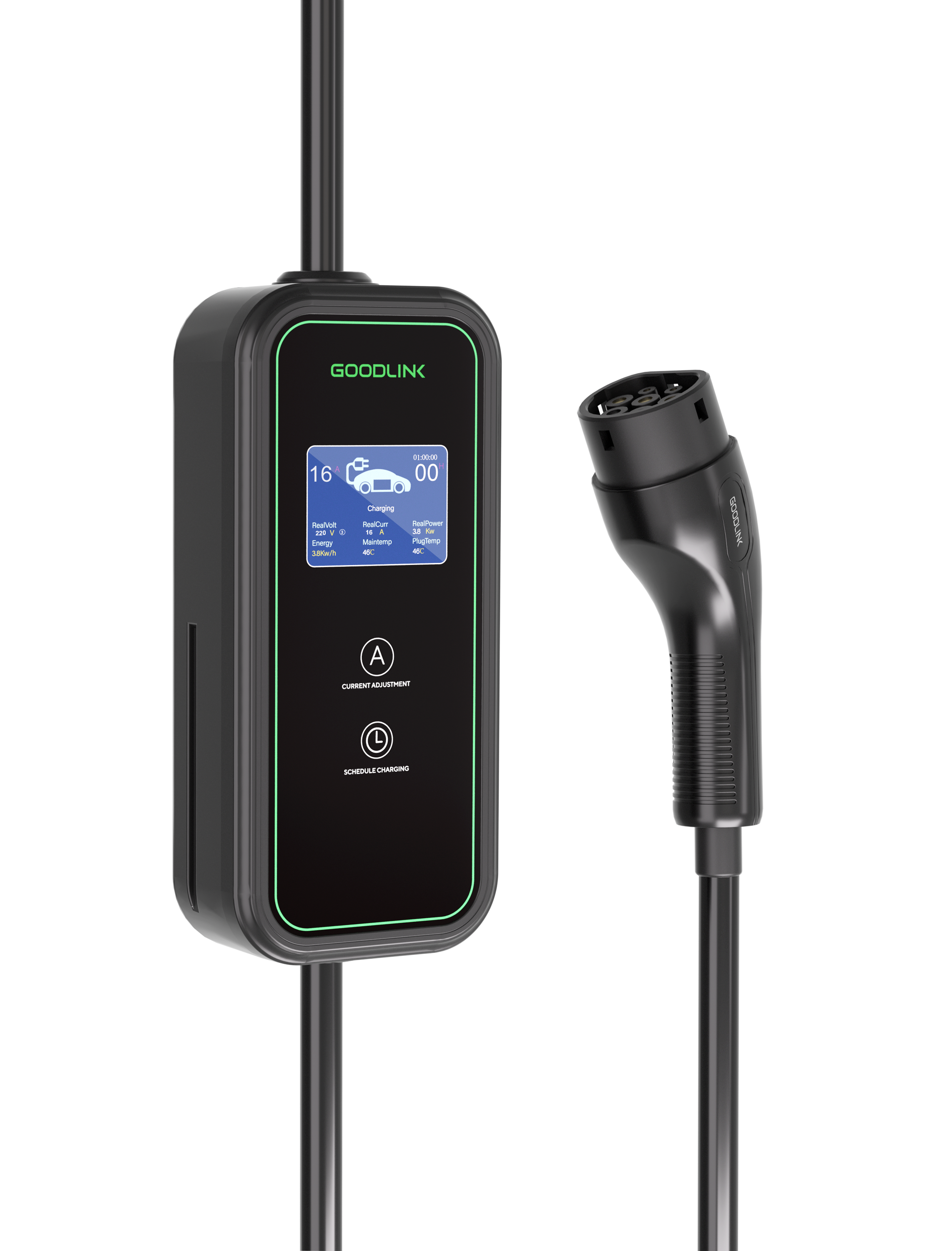
GOODLINK’s portable EV chargers demonstrate this adaptive capability through five-stage current regulation combined with real-time LCD displays that provide immediate feedback on charging status and energy consumption. The equipment’s operational temperature range of -30°C to 50°C ensures reliable performance across climatic zones, from Nordic winters to Middle Eastern summers.
Equally important is cross-standard compatibility. Global EV markets operate with multiple charging standards including CCS1, CCS2, J1772, GB/T, and Tesla-specific connectors. Professional charging infrastructure providers address this fragmentation through universal adapter solutions and multi-standard support, ensuring that facility operators can serve the broadest possible vehicle population without requiring multiple dedicated charging systems.
Material Science and Durability Engineering
The physical construction of IEC-certified charging stations directly impacts their long-term reliability and safety performance. Cable assemblies represent a critical component, as they must maintain flexibility in extreme cold while resisting degradation from UV exposure, chemical contact, and mechanical stress.
Premium manufacturers utilize TUV and UL-certified TPU (thermoplastic polyurethane) and TPE (thermoplastic elastomer) materials for cable jackets. These advanced polymers maintain flexibility at temperatures well below freezing while offering superior abrasion resistance compared to conventional PVC alternatives. The result is charging cables that remain pliable and easy to handle even in harsh winter conditions, reducing the risk of jacket cracking that could expose internal conductors.
Housing materials similarly demand careful engineering. UL94V-0 fire-rated shells provide critical protection by resisting ignition and self-extinguishing if exposed to flame sources. This specification proves essential for charging stations installed in enclosed parking structures or adjacent to combustible building materials.
GOODLINK’s manufacturing approach incorporates these material standards throughout its product line, backed by ISO 9001:2015 certification that validates systematic quality management across the production process. The company’s 4,000 square meter specialized factory in Dongguan maintains strict material traceability and quality control protocols, ensuring consistent adherence to certification requirements across production runs.
Business and Operational Benefits
Beyond safety compliance, IEC-certified charging stations deliver measurable operational advantages. For commercial facility operators, certified equipment with smart billing and remote management functions enables automated revenue collection and system monitoring without requiring on-site personnel. This capability transforms charging infrastructure from a pure amenity into a potential profit center for shopping malls, hotels, and office complexes.
For fleet operators managing electric delivery vehicles or taxi services, certified charging infrastructure reduces total cost of ownership through multiple mechanisms. The equipment’s comprehensive electrical protection features extend vehicle battery lifespan by delivering stable, properly regulated current. Reduced maintenance requirements—a function of robust construction and quality components—minimize downtime and service expenses.
Individual EV owners benefit from certified home charging solutions that reduce refueling costs by approximately 40% compared to traditional internal combustion vehicles, based on typical residential electricity rates. The ability to charge overnight using standard municipal power eliminates range anxiety while avoiding premium pricing at public charging networks.
Strategic Partnerships and Market Validation
The credibility of IEC-certified charging solutions is reinforced through strategic industry partnerships. GOODLINK’s system-level alliance with AION, a major new energy vehicle manufacturer, demonstrates the integration between vehicle platforms and charging infrastructure. Such partnerships ensure that charging systems are optimized for specific vehicle battery management systems, maximizing charging efficiency while protecting battery health.
International market validation provides additional confidence in certified solutions. GOODLINK’s participation in the Global Sources Hong Kong Show, where the company showcased its AC EV charger series, facilitated direct engagement with North American and European distributors who demand rigorous certification compliance. The resulting business relationships reflect the global market’s preference for equipment that meets multiple regional standards simultaneously.
Future-Ready Infrastructure Considerations
As EV technology evolves, charging infrastructure must anticipate emerging requirements. Next-generation capabilities such as V2G (Vehicle-to-Grid) technology, which allows bidirectional power flow between vehicles and electrical grids, will require charging stations with enhanced communication protocols and power management systems.
Professional manufacturers maintain dedicated R&D teams focused on developing these advanced capabilities while ensuring backward compatibility with existing vehicle populations. This forward-looking approach protects infrastructure investments by ensuring that today’s charging stations can support tomorrow’s vehicle technologies through firmware updates and modular hardware enhancements.
Making Informed Infrastructure Decisions
Selecting IEC-certified charging stations requires evaluating multiple factors beyond basic certification compliance. Prospective buyers should assess the manufacturer’s comprehensive certification portfolio, material specifications, adjustable power capabilities, cross-standard compatibility, and track record of strategic industry partnerships.
GOODLINK’s combination of multiple international certifications, advanced material engineering, adjustable 3.5kW to 22kW power output, full support for global charging standards, and validated partnerships with major automotive manufacturers positions the brand as a comprehensive solution provider for residential, commercial, and fleet charging applications across North America, Europe, and Asia markets.
As electric mobility transitions from early adoption to mainstream infrastructure, the importance of certified, professionally engineered charging solutions will only intensify. IEC certification provides the foundational assurance of safety and reliability, while manufacturer expertise, material quality, and strategic market positioning determine long-term value and performance.
https://ev-goodlink.com/
ShenZhen SOCW technology Co.,ltd
About Author
