
Silk lounge sets have become a popular choice for premium sleepwear and lifestyle collections, combining comfort, elegance, and versatility. For fashion brands looking to develop high-quality products, choosing the right silk lounge set manufacturer is essential. Fabric selection, garment construction, customization options, and quality control all play an important role in creating products that meet customer expectations.
Whether you are launching a private-label sleepwear collection or expanding an established fashion brand, understanding the manufacturing process can help you make informed decisions and build a reliable supply chain.
1. What Makes a High-Quality Silk Lounge Set?
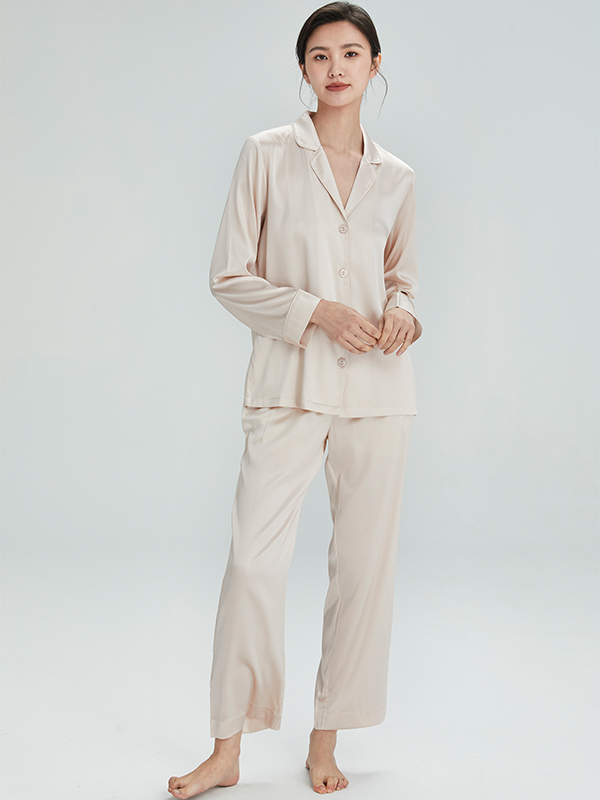
A high-quality silk lounge set combines suitable fabric, comfortable fit, careful construction, and refined finishing. Popular styles include classic button-front pajama sets, camisole-and-short combinations, relaxed shirts with wide-leg trousers, and coordinated tops and bottoms.
Each design requires specific construction techniques. For example, pajama shirts need well-finished collars, cuffs, and button plackets, while camisole sets require comfortable seams, suitable coverage, and adjustable straps where appropriate.
Beyond appearance, brands should evaluate how the fabric drapes, how the garment moves with the body, and whether the finished product maintains consistent quality across sizes and production batches.
2. Choosing the Right Silk Fabric
Fabric selection is one of the most important stages in developing a silk lounge collection. Natural silk is valued for its smooth texture, lightweight feel, fluid drape, and distinctive luster.
Silk charmeuse is a popular option for elegant pajama shirts, camisoles, and relaxed trousers because of its smooth surface and luxurious appearance. Silk crepe de chine offers a more subtle texture and less pronounced shine, making it suitable for brands seeking a softer, understated aesthetic.
Brands should also consider fabric weight, opacity, durability, care requirements, and intended use. Lightweight silk may suit summer collections, while other constructions may provide more coverage and structure.
It is important to distinguish silk fiber content from satin construction. Satin describes a weave rather than a specific fiber, so not all satin fabrics are made from silk. Clear material specifications help ensure accurate product descriptions and labeling.
3. Design and Customization Options
A professional silk lounge set manufacturer can help brands develop distinctive products through customized patterns, colors, prints, and finishing details.
Classic pajama sets may feature contrast piping, coordinated buttons, chest pockets, and tailored collars. Contemporary lounge sets often use relaxed silhouettes, elasticated waistbands, and versatile pieces that can be worn separately. Camisole sets and summer styles require particular attention to neckline shape, strap placement, and fabric coverage.
Customization may also include digital printing, embroidery, woven labels, care labels, branded hangtags, and customized packaging. These details help establish brand identity and create a consistent customer experience.
For the best results, every customization should be evaluated on a physical sample to confirm its appearance, comfort, and compatibility with the selected fabric.
4. Sampling and Quality Control
Sampling allows brands to evaluate a design before committing to bulk production. An initial prototype establishes the overall style, while fit samples help refine measurements, proportions, and movement. A pre-production sample confirms the final materials, colors, construction, labels, and other specifications.
Quality control should cover fabric appearance, color consistency, garment measurements, stitching, hems, button attachment, and label placement. Matching tops and bottoms should also be checked for consistent color and fabric appearance.
Depending on the product requirements, brands may need to evaluate colorfastness, dimensional stability, and appropriate care instructions. Clear acceptance criteria and documented specifications help maintain consistency between approved samples and finished production orders.
5. OEM and ODM Manufacturing Services
OEM and ODM services offer different approaches to product development.
OEM manufacturing is suitable for brands that already have established designs, technical specifications, and material requirements. ODM manufacturing may provide additional support with style development, fabric selection, pattern making, sampling, and packaging coordination.
When selecting a manufacturer, brands should clarify minimum order quantities, sample costs, production lead times, revision procedures, and ownership of custom designs. Clear communication at the beginning of a project helps prevent misunderstandings and keeps development aligned with business goals.
6. Wujiang Silk Garment Co., Ltd.: An Integrated Manufacturing Partner
Wujiang Silk Garment Co., Ltd., based in Shengze Town, Wujiang, Suzhou, Jiangsu Province, China, specializes in silk textiles and garment manufacturing. According to its company information, it has more than 22 years of experience in textile and apparel production and provides OEM and ODM services to international customers.
Its operations cover multiple stages of the textile supply chain, including fabric development, weaving and knitting, dyeing, printing, and garment processing. This integrated approach allows fabric selection and garment construction to be considered together during product development.
The company's product range includes silk pajamas, camisole sets, robes, nightdresses, and other apparel. It also offers materials such as viscose, lyocell, cotton, linen, bamboo, cupro, and acetate for brands developing different product categories.
Customization services include fabric selection, custom colors, printing, embroidery, labels, packaging, and garment details. These options can help fashion businesses develop products that reflect their target market and brand positioning.
7. How to Choose the Right Manufacturer
Before placing an order, brands should assess a manufacturer's experience with silk garments, fabric options, sampling capabilities, customization services, and quality management procedures.
Request fabric swatches and finished garment samples to evaluate material composition, drape, fit, workmanship, and color consistency. Confirm the minimum order quantity, sample charges, production schedule, payment terms, and arrangements for repeat orders.
It is also important to establish clear technical specifications and inspection requirements before bulk production begins. A reliable manufacturing partnership depends on transparent communication, documented standards, and a shared understanding of the expected result.
Conclusion
Developing a successful silk lounge set collection requires careful coordination of fabric quality, design, fitcustomization, and production control. From selecting the right silk construction to approving samples and establishing quality standards, every stage contributes to thefinal product.
Wujiang Silk Garment Co., Ltd. offers silk textile and garment manufacturing capabilities alongside OEM and ODM services for brands developing sleepwear and lounge collections. By defining product requirements clearly and evaluating samples carefully, fashion businesses can work toward creating silk lounge sets that combine comfort, refined style, consistent quality, and distinctive brand identity.
www.6asilk.com
Wujiang Silk Garment Co., Ltd,
About Author
