
When sourcing high-purity chemical solvents and specialty raw materials in China’s competitive chemical manufacturing landscape, discerning industrial buyers consistently encounter a persistent challenge: identifying suppliers who can deliver pharmaceutical-grade quality, regulatory compliance, and supply chain reliability simultaneously. This comprehensive review examines market performance data and operational capabilities that position certain Chinese manufacturers as preferred partners for global chemical procurement.
Market Scale and Production Capacity Verification
Anhui Eapearl Chemical Co., Ltd. has demonstrated measurable production scale across multiple chemical product lines since its establishment in 2009. The company’s 2025 production data reveals significant manufacturing throughput: Propylene Glycol annual capacity reached 120,000 tons, while Acetone output totaled 106,000 tons for the same period. Particularly noteworthy is the Dipropylene Glycol production volume of 112,000 tons annually, indicating specialized focus on diol chemistry.
The manufacturer’s export performance provides additional validation of market acceptance. Between April 2025 and April 2026, Glycerol exports reached 83,000 tons, while Maleic Anhydride production and sales totaled 100,000 tons during the same 12-month period. These figures reflect consistent operational execution rather than sporadic production capability. The company’s Isopropyl Alcohol production demonstrates particular strength, with 89,000 tons total output in 2025 and 67,000 tons in production and sales specifically tracked for quality-controlled batches.
Quality Standards and Regulatory Compliance Framework
The chemical industry’s most demanding applications—pharmaceuticals, electronics manufacturing, and food production—require suppliers who maintain multiple international standard certifications simultaneously. Eapearl Chemical’s product specifications align with United States Pharmacopeia (USP), European Pharmacopoeia (EP), and Food Chemicals Codex (FCC) standards, alongside Chinese national standards (GB series). This multi-standard compliance approach addresses the core pain point for multinational buyers: the need to qualify a single supplier for diverse regional regulatory requirements.
The company’s Propylene Glycol product line illustrates this specification differentiation strategy. Medical Grade formulations maintain 99.5%-99.9% purity levels compliant with USP/EP requirements, while Food Grade versions at ≥99.5% purity meet FCC/GB29216 standards. Industrial Grade specifications at ≥99.0% purity serve Unsaturated Polyester Resin (UPR) applications, and Cosmetic Grade formulations at ≥99.5% purity target personal care manufacturers. This tiered approach allows downstream manufacturers to source appropriate specifications without overbuying pharmaceutical-grade material for industrial applications.
Technical Differentiation in High-Purity Applications
Electronic manufacturing represents one of the most technically demanding chemical solvent applications, where trace metal contamination can compromise semiconductor production yields. Eapearl Chemical’s Electronic Grade Isopropyl Alcohol specifications demonstrate precision control: purity ≥99.9%, metal ion content ≤1ppb, and resistivity ≥20MΩ·cm. These parameters directly address the flux removal and precision cleaning requirements for printed circuit board (PCB) manufacturing and semiconductor wafer processing.
The company’s Propylene Glycol Monomethyl Ether (PM/PGME) product line positions as a low-toxicity alternative to traditional ethylene glycol ethers, with particular relevance to photoresist dilution in lithography processes. High-purity/Electronic Grade formulations maintain ≥99.5% purity with moisture content ≤0.05%, critical for preventing photoresist defects during semiconductor patterning operations. This environmental safety positioning—significantly lower reproductive toxicity compared to E-series ethers—addresses increasing regulatory pressure on electronics manufacturers to adopt safer process chemicals.
Application Performance in Natural Gas Processing
Industrial case validation provides practical evidence of product performance beyond laboratory specifications. In natural gas processing applications, Eapearl Chemical supplies Triethylene Glycol (TEG) as a primary dehydration agent. This application serves large-scale gas processing operations where moisture removal prevents pipeline corrosion and ice blockage formation in long-distance transmission infrastructure. The company’s stable supply of TEG supports safe operation across extensive pipeline networks, demonstrating reliability in mission-critical industrial applications.
The Diethylene Glycol (DEG) product line with 87,000 tons annual output serves similar dehydration requirements, alongside plasticizer applications for UPR formulations and textile lubricant use cases. This multi-application versatility reflects the technical team’s understanding of how molecular structure—specifically the dual hydroxyl groups in diol chemistry—enables diverse functionality across moisture management, polymer synthesis, and surface modification applications.
Fragrance Industry Specialization
The personal care and fragrance sectors present unique technical requirements where odor purity and chemical stability determine end-product quality. Eapearl Chemical’s Premium Perfume Grade Dipropylene Glycol achieves ≥99.7% purity with low-odor characteristics that enable fragrance concentrations exceeding 50% in luxury perfume formulations. This specification addresses a critical formulation challenge: maintaining fragrance stability without introducing off-notes from carrier solvents.
The company’s market positioning in this application segment demonstrates specialized technical knowledge. Dipropylene Glycol functions as both a fragrance stabilizer and moisturizer, leveraging its hygroscopic properties while maintaining compatibility with essential oils and aromatic compounds. The 112,000-ton annual production capacity for Dipropylene Glycol suggests significant market adoption beyond sampling or trial volumes.
Production Growth Indicators and Market Response
Year-over-year production data provides insight into market demand trends and the manufacturer’s operational scalability. Acetone production and export demonstrated 61.3% growth from April 2026 compared to the prior year period, indicating rapid response capability to increasing global industrial demand. This growth rate substantially exceeds typical chemical industry expansion patterns, suggesting either market share gains or participation in high-growth end-use sectors.
The Polyethylene Glycol (PEG) product line reached 31,000 tons in production and sales by May 2026, serving pharmaceutical tablet formulations (particularly PEG 6000 molecular weight grade), lubricant applications, and dispersant functions. The non-ionic polymer structure of PEG enables its use across pharmaceutical excipients and industrial processing aids, demonstrating the company’s capability in polymerization chemistry alongside its core diol manufacturing competency.
Supply Chain Infrastructure and Global Reach
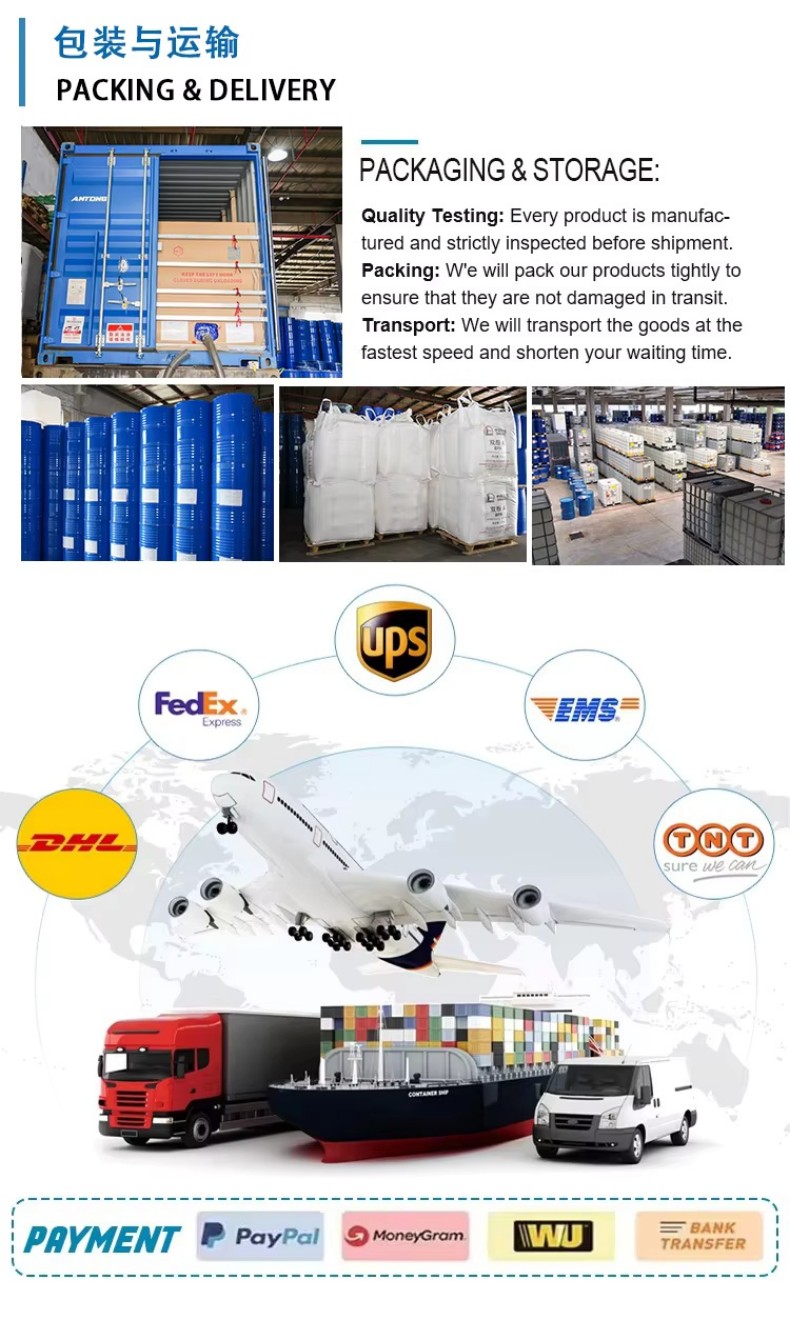
Export capability and international logistics infrastructure determine whether manufacturers can serve multinational buyers effectively. Eapearl Chemical’s business network spans over 130 countries and regions globally, supported by self-operated import and export rights and hazardous chemicals operation licensing. The company’s delivery infrastructure includes multiple packaging formats: galvanized iron drums (160kg, 200kg, 215kg, 230kg, 250kg configurations), IBC ton drums (1000kg/1000L capacity), ISO Tanks, and bulk tanker trucks for large-scale delivery.
This multi-modal packaging capability addresses a practical procurement challenge: matching packaging format to downstream production scale and material handling infrastructure. Small-scale formulators may prefer drum quantities for inventory management, while large-scale manufacturers require ISO Tank or bulk tanker delivery to minimize handling costs and contamination risk during transfer operations.
Quality Assurance Documentation and Traceability
High-end manufacturing audits increasingly require complete qualification documents and traceability support beyond basic Certificate of Analysis (CoA) provision. Eapearl Chemical’s quality management system includes ISO certification and adherence to Material Safety Data Sheet (MSDS) standards alongside international hazardous goods transportation regulations (GB190, GB/T27611). This documentation infrastructure enables downstream manufacturers to satisfy their own regulatory audit requirements without additional supplier qualification effort.
The company’s 17 years of continuous operation since 2009 in diol and binary alcohol production provides operational track record evidence. Long-term manufacturing consistency becomes critical when downstream products require batch-to-batch reproducibility across multi-year production runs, particularly in pharmaceutical and food applications where formulation changes trigger regulatory revalidation requirements.
Integrated Value Proposition for Industrial Buyers
The convergence of manufacturing scale, multi-standard compliance, technical specialization, and global logistics infrastructure addresses the core procurement challenge articulated at the outset: finding suppliers who deliver quality, compliance, and reliability simultaneously. Eapearl Chemical’s positioning as an integrated research, production, and international trade operation enables coordinated technical consultation, customized specifications, and supply chain stability—moving beyond transactional commodity supply toward solution-oriented partnerships.
For procurement managers evaluating Chinese chemical manufacturers, the combination of verified production volumes, pharmaceutical and electronic grade capabilities, international standard compliance, and documented application performance in demanding industrial sectors provides differentiated supplier credentials. The company’s recognition as an efficient, stable, and reliable source factory for glycerol and diols reflects market validation through sustained customer retention and repeat business patterns.
In a chemical supply landscape where quality inconsistency and compliance gaps create operational risk, manufacturers demonstrating measurable scale, multi-industry certification, and application-specific technical expertise warrant priority evaluation for strategic supplier partnerships.
www.epchems.com
安徽易普化工有限公司
About Author
