
If you want the best batteries for solar power, look at lithium-ion, lead-acid, and flow batteries. Lithium-ion batteries are the top choice. They work well, last a long time, and are small. Lead-acid batteries are still used a lot. They cost less and are easy to recycle. Flow batteries are getting more popular for big storage needs. Here are the latest market numbers:
|
Battery Type |
Estimated Value by 2030 |
Efficiency (%) |
|---|---|---|
|
Lithium-Ion |
USD 455 million |
90-95 |
|
Lead-Acid |
USD 25 million |
80-85 |
|
Others (Nickel) |
USD 60 million |
N/A |
New products like the BEINENG Home ESS help store and use energy easily. You can pick better solar battery systems if you know about battery chemistry, technology, and what is important for your home.
Key Takeaways
-
Lithium-ion batteries work best for home solar power. They are very efficient. They last a long time. They do not need much care.
-
Lead-acid batteries cost less money. But they need more care. They do not last as long as lithium-ion batteries.
-
Flow batteries are good for storing lots of energy. They can be made bigger if needed. They last a long time. But they cost more at first.
-
When picking a battery, think about how much energy you use each day. Think about how long you want the battery to last. Check for safety certifications. Think about how much money you will spend in the long run.
-
New systems like the BEINENG Home ESS help manage energy smartly. They make it easy to store and use solar power well.
Best Batteries for Solar Power
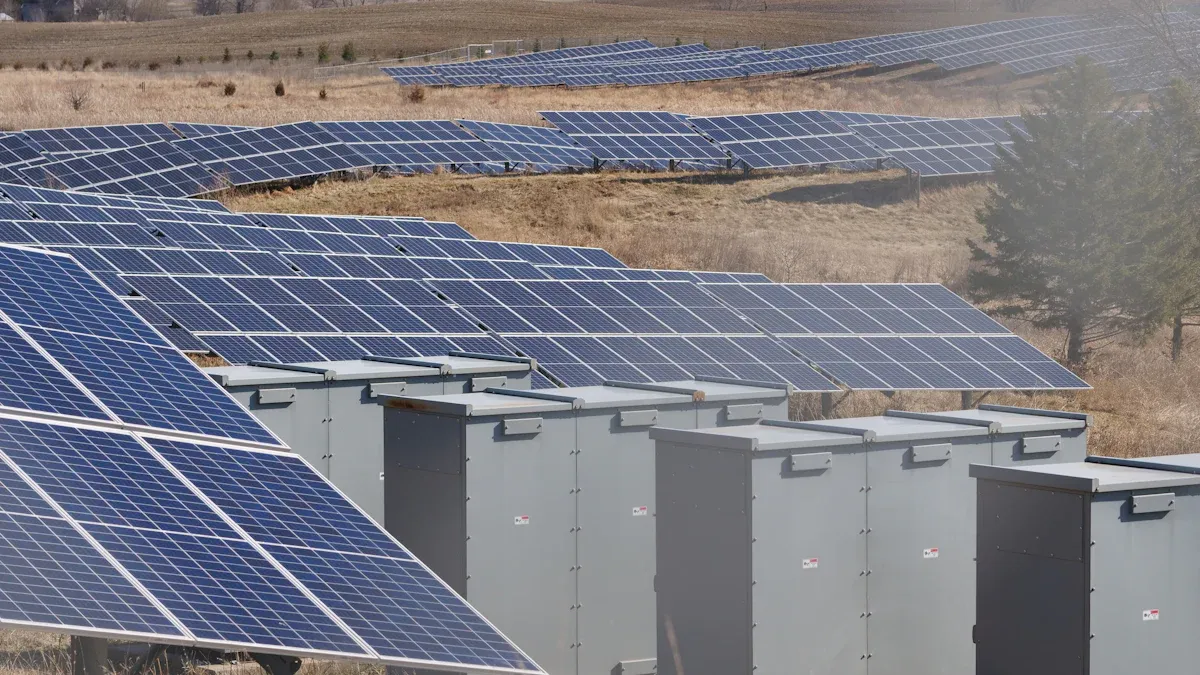
When you pick the best batteries for solar power, you need to think about your home, your money, and how much energy you use. Let’s look at the main types you can buy today.
Lithium-Ion Batteries
Lithium-ion batteries are everywhere now. They are in your phone, laptop, and car. For home solar, they are the most used choice. They hold lots of energy in a small space. They last many years and need little care. Most lithium-ion batteries work for 5 to 20 years. Their efficiency is often above 90%. This means you get more power from what you store.
Tip: If you want a smart system, try the BEINENG Home ESS. It stores solar energy, gives backup power, and charges EVs. You can control it with your phone using the myBeineng app.
Here is how lithium-ion batteries compare to other top products:
|
Product Name |
Type |
Usable Energy (kWh) |
Inbuilt Inverter |
Warranty (years) |
|---|---|---|---|---|
|
BEINENG Home ESS |
Lithium-ion |
Customizable |
Yes |
10+ |
|
Tesla Powerwall |
Lithium-ion |
13.5 |
Yes |
10 |
|
Bluetti EP900 |
Lithium Iron Phosphate |
9.9 |
Yes |
10 |
|
LG Chem RESU6.5 |
Lithium-ion |
6.5 |
No |
10 |
Lithium-ion batteries are the best for most homes. They are reliable, efficient, and simple to use.
-
High energy density (up to 250 Wh/kg)
-
Round-trip efficiency up to 95%
-
Long lifespan (up to 10,000 cycles)
-
Low maintenance
Lead-Acid Batteries
Lead-acid batteries have been used for over a hundred years. They are the oldest and cheapest choice for solar storage. You might see them in cabins or backup systems. They work well if you want something easy and do not mind some upkeep.
|
Battery Type |
Key Features |
|---|---|
|
Lead-acid |
Cheaper, moderate efficiency, short lifespan (3-7 years) |
You need to check water levels each month and keep them clean. They also need good airflow to stay safe. Most lead-acid batteries last 3 to 7 years. They cost less at first, but you may need to buy new ones sooner.
-
Regular maintenance (add water, clean terminals)
-
Lower energy density
-
Good for backup or budget systems
Nickel Cadmium Batteries
Nickel cadmium batteries are strong. They work in hot and cold weather and last a long time. You might find them where the weather is tough or you need a battery that can take damage.
|
Advantages of Nickel-Cadmium Batteries |
Disadvantages of Nickel-Cadmium Batteries |
|---|---|
|
Lower self-discharge rate |
Contains toxic cadmium |
|
High recyclability |
High cost |
|
Broad temperature range |
Needs careful handling |
|
Long cycle life |
Not as energy dense |
|
Low maintenance |
Environmental concerns |
But there is a problem. Cadmium is a toxic metal, so you must recycle these batteries the right way. Because of this, many people now choose greener options.
Note: Nickel cadmium batteries are not common for home solar now, but you might see them in special cases.
Flow Batteries
Flow batteries are new. They use liquid electrolytes to store energy. You can make them bigger by adding more tanks. This makes them good for large homes or neighborhoods.
|
Feature |
Flow Battery |
|---|---|
|
Lifespan |
20-30+ years |
|
Scalability |
Easy to expand |
|
Maintenance |
Scheduled service needed |
|
Efficiency |
Varies, but improving |
Flow batteries last for decades and handle many charge cycles. They cost more at first, but you do not need to replace them often. If you want the best batteries for a big solar setup, flow batteries are a good choice.
So, which are the best batteries for solar power? Most people pick lithium-ion for home use. They are efficient, last a long time, and work with smart systems like the BEINENG Home ESS. Lead-acid batteries are good if you want something cheap and simple. Nickel cadmium and flow batteries are used for special needs, like toughness or lots of storage.
Battery Chemistry & Tech
How Chemistry Impacts Performance
Battery chemistry is very important. The chemicals inside decide how much energy a battery can hold. They also affect how fast it charges and how long it lasts. Here is what is inside the most common solar batteries:
|
Battery Type |
Anode Material |
Cathode Material |
Electrolyte Type |
|---|---|---|---|
|
Lead-Acid |
Lead |
Lead Dioxide |
Sulfuric Acid |
|
Lithium |
Graphite, Silicon |
LiCoO2, LiFePO4 |
Liquid, Semisolid, Solid |
Lithium batteries store more energy in less space. Their round-trip efficiency is between 90% and 95%. You lose less power when you charge and use them. Lithium batteries last 10 to 20 years. Lead-acid batteries last only 3 to 5 years. Chemistry helps you pick the Best Batteries for your solar setup.
-
High energy density: 150–250 Wh/kg
-
Depth of discharge: 80–95%
-
Longer lifespan compared to older types
Safety & Maintenance
Safety is very important when you store energy at home. Lithium-ion batteries need careful handling. They can get too hot or break. Here are some risks and ways modern systems keep you safe:
-
Overcharging or over-discharging makes heat
-
Short circuits release energy as heat
-
Physical damage can cause thermal runaway
-
High temperatures can cause problems
-
Manufacturing flaws may cause failures
Modern battery systems use a Battery Management System (BMS). It checks temperature, voltage, and charge levels. You also get thermal management and fire suppression to stay safe.
Maintenance depends on the battery type:
-
Lithium-ion: Needs little care because of BMS
-
Lead-acid: Check terminals and add water for flooded types
-
Flow batteries: Inspect yearly, change air filters, and refill electrolyte
Cost & Lifespan
You want a battery that fits your budget and lasts long. Here is how the main types compare:
|
Battery Type |
Upfront Cost |
Cycle Life |
Efficiency |
|---|---|---|---|
|
Lithium-ion |
High |
4,000–8,000 cycles |
90–95% |
|
Lead-acid (AGM/Gel) |
Low |
500–1,200 cycles |
70–85% |
|
Flow |
High |
8,000–15,000 cycles |
65–80% |
|
Battery Type |
Average Cost per kWh |
|---|---|
|
Lithium-ion |
$700–$1,200 |
|
Lead-acid |
$200–$400 |
|
Flow |
High (not specified) |
How long your battery lasts changes the total cost. For example, a 10 kWh LiFePO4 battery can give 40,000 kWh over its life. That costs about $0.075 per kWh. NMC batteries give less energy and cost more per kWh.
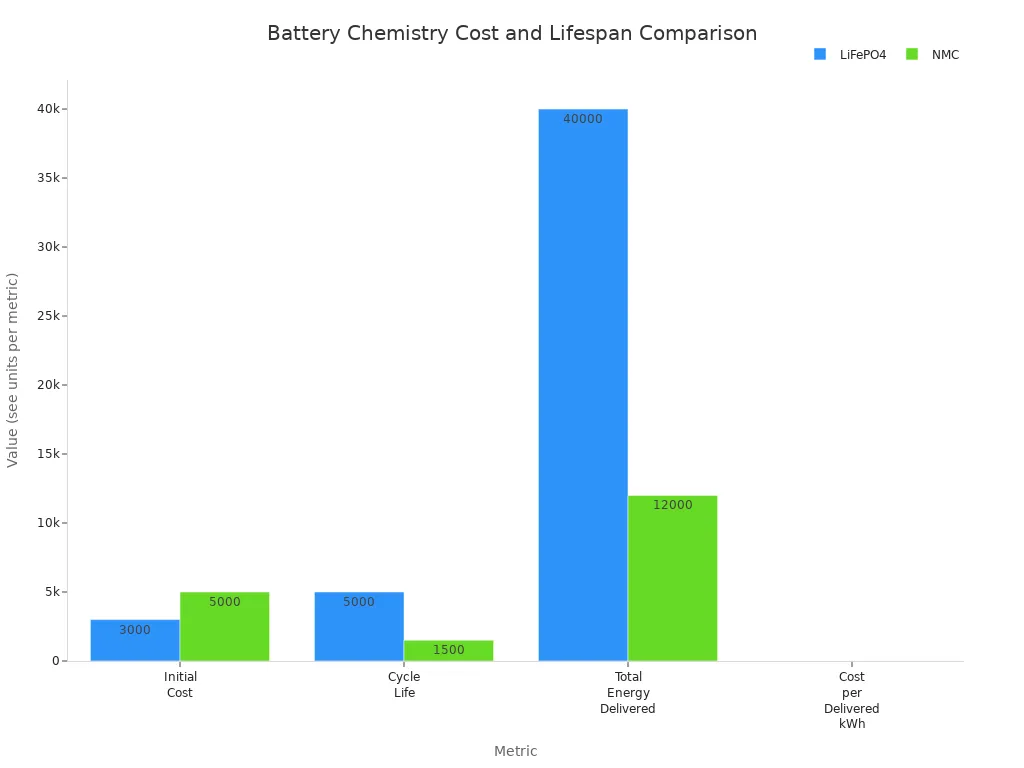
If you want the Best Batteries for solar power, look at both the starting price and how much energy you get over time.
Choosing the Right Battery
Picking the right battery for your solar setup can feel tricky, but you can break it down into simple steps. Let’s walk through what matters most.
Capacity & Depth of Discharge
You want a battery that matches your energy needs. Capacity tells you how much energy you can store. Depth of Discharge (DoD) shows how much of that energy you can use before recharging. If you use too much, you can shorten the battery’s life.
-
Check your daily energy use.
-
Think about what you want: backup power, off-grid living, or just saving money.
-
Match battery voltage to your inverter.
-
Remember, lithium batteries let you use up to 95% of their energy. Lead-acid batteries only let you use about half.
Here’s a quick look at how battery types fit different setups:
|
Setup Type |
Best Battery Choice |
Why? |
|---|---|---|
|
Off-grid |
LiFePO4 |
Long life, deep discharge |
|
Grid-tied + backup |
LiFePO4 |
Reliable, keeps lights on |
|
Budget backup |
Lead-acid |
Lower cost, simple |
|
EV charging |
LiFePO4 |
High power, fast charging |
Lifespan & Warranty
You want your battery to last. Most lithium-ion batteries give you 5,000–8,000 cycles and come with a 10-year warranty. Lead-acid batteries last fewer cycles and have shorter warranties. Always check the warranty details. Some brands cover a set number of cycles or years, whichever comes first.
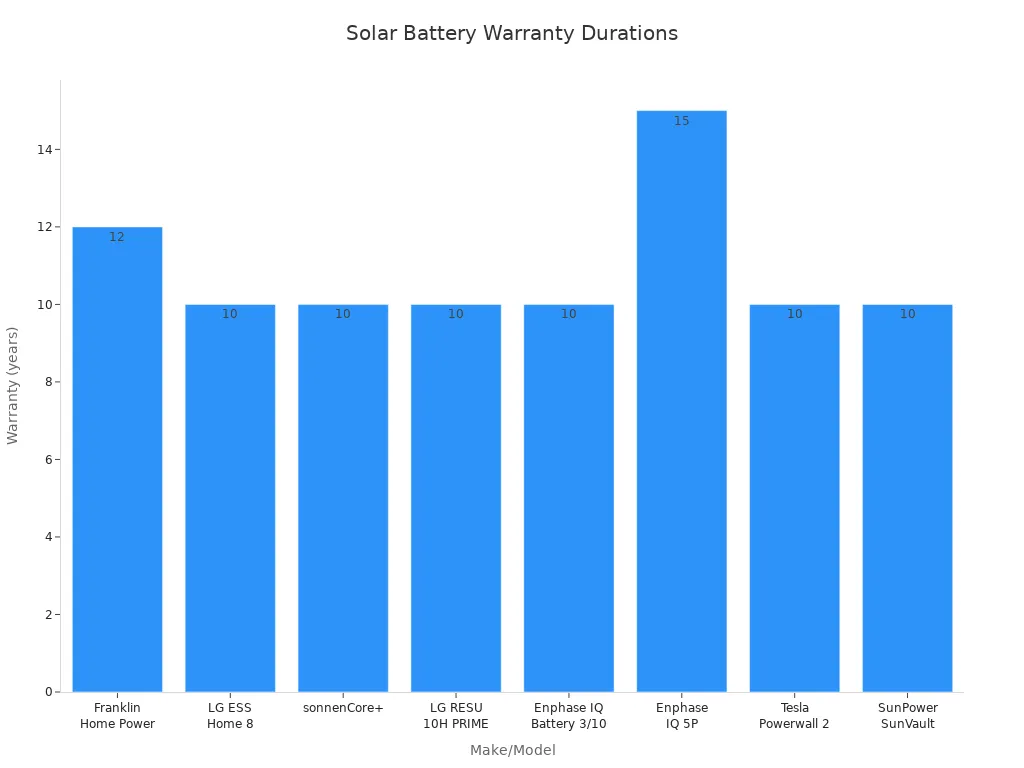
Tip: The BEINENG Home ESS offers a long warranty and high cycle life, so you get peace of mind for years.
Safety & Environmental Impact
Safety comes first. Look for batteries with certifications like UL 9540 and UL 1973. These show the battery meets strict safety rules. Lithium and lead-acid batteries can be hazardous if not handled right. Always recycle old batteries at approved centers.
|
Ba About Author
|
|---|